Book Man with Van Botany Bay for End-of-Tenancy Moves
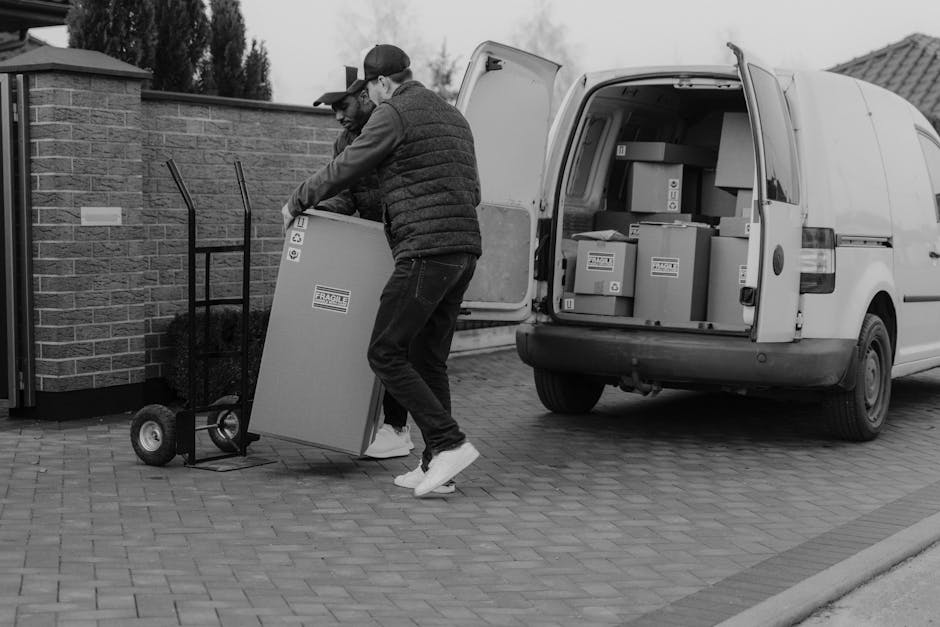
End-of-tenancy moving has a way of compressing everything into one busy stretch: keys, cleaning, boxes, final meter readings, and that last sweep under the sofa where you always find one missing charger. If you need to Book Man with Van Botany Bay for End-of-Tenancy Moves, the goal is usually simple enough on paper but a bit more fiddly in real life: get out on time, protect your deposit, and move your things without a stressful scramble.
This guide breaks down how a man with van service can help with end-of-tenancy moves in Botany Bay, what to expect, how to prepare, and the small details that often make the biggest difference. Whether you are leaving a flat, a shared house, or a small family home, the right approach can save time, money, and a fair bit of stress. Let's face it, moving day is not the moment you want surprises.
Why Book Man with Van Botany Bay for End-of-Tenancy Moves Matters
End-of-tenancy moves are not quite the same as a normal house move. The timing is tighter, the margin for error is smaller, and you are often trying to hand back a property in a clean, empty, and damage-free state. That is where a local man with van service becomes especially useful. In a place like Botany Bay, where access, parking, and road space can be awkward at peak times, a smaller, more flexible vehicle can be the practical choice.
What matters most here is not just transport. It is coordination. A good moving plan helps you avoid overlapping problems such as a cleaner arriving before your final boxes are out, or the van turning up while you are still dismantling a bed frame in the hallway. A tidy, well-timed move can also help reduce the risk of losing part of your deposit over avoidable mess or last-minute damage.
There is another angle too. End-of-tenancy deadlines often come with a hard stop. The landlord, letting agent, or inventory checkout may be scheduled for the same day. If the move drags on, the whole day starts to feel tight. A man and van arrangement gives many renters a leaner, faster way to shift furniture, bags, and boxed items without paying for a larger removal setup they do not really need.
Expert summary: For end-of-tenancy moves, the best setup is usually the one that matches the property size, access conditions, and timing pressure-not the biggest vehicle or the fanciest service.
How Book Man with Van Botany Bay for End-of-Tenancy Moves Works
The process is usually straightforward, though the best results come from being clear early. You give the moving details, receive a quote, confirm the date, and then the driver arrives with the right van size and loading plan. Simple on the surface. But the details matter, and a lot.
Most end-of-tenancy jobs follow a similar pattern:
- Share the move details. This usually includes pickup and drop-off addresses, floor level, parking access, number of items, and whether there are bulky pieces.
- Get an estimated quote. Pricing often depends on travel distance, labour time, van size, and any special access issues.
- Confirm timing. Build in time for loading, travel, and unloading, especially if you need to clean the property afterwards.
- Prepare items in advance. Boxes should be sealed, furniture partly dismantled if possible, and fragile items protected properly.
- Move day execution. The driver loads efficiently, secures items, and transports them safely to the new place or storage.
- Final checks. A quick walk-through helps ensure nothing is left behind in cupboards, lofts, or under beds. You would be surprised how often that happens.
If your end-of-tenancy move includes furniture disposal, extra collections, or multiple stops, it helps to explain that upfront. A small service can still handle it, but the van size and schedule need to match reality, not wishful thinking.
In practice, the smoother jobs are usually the ones where the customer has already decluttered, packed well, and checked building access in advance. Nothing glamorous, just solid preparation. And honestly, that makes a bigger difference than people expect.
Key Benefits and Practical Advantages
There are several reasons people choose a local man with van service for the end of a tenancy. Some are obvious. Some only become obvious after the first move goes wrong.
- Flexibility: Smaller vans can be easier to schedule for short-notice or awkward-time moves.
- Better fit for smaller loads: If you are moving out of a flat or a room in a shared house, a full removal lorry may be more than you need.
- Local knowledge: Familiarity with Botany Bay streets, parking patterns, and access quirks can save precious time.
- Less stress at checkout: A quicker load-out gives you breathing room for cleaning and final inspection.
- Cost control: A tailored man and van service can be more economical than a larger move package for modest loads.
- Handy for mixed jobs: Some people need both moving and a few items removed, which can be handled together if planned properly.
There is also a human benefit that is easy to overlook. The move feels less chaotic when one person or a small team is managing the transport side. You are not trying to coordinate a huge crew while also chasing keys, bins, and cleaning supplies. That calmer pace can be a real relief on a day when your head is already full.
For many renters, the practical gain is not just speed. It is control. You can pack around your own timetable, take only what you really need, and reduce the amount of clutter that gets dragged from one home to another. Moving less often turns out to be moving better.
Who This Is For and When It Makes Sense
This type of service is a strong fit for people who are moving out of a smaller property, a first flat, a student rental, or a home with a limited amount of furniture. It is also useful if you are leaving Botany Bay and heading somewhere nearby, where a full-scale removals package would be excessive.
You may want to book this option if:
- you have a one-bedroom flat or studio move;
- you are leaving a shared house and only need partial transport;
- you have a tight tenancy deadline and need a quick turnaround;
- you need help with sofas, beds, white goods, or awkward items;
- you do not have access to a large van of your own;
- you want help loading and unloading, not just driving;
- you are moving from or within the CT10 area and want a local service that understands the roads and timing.
It may be less suitable if you are moving the contents of a large family home with multiple bedrooms and a long list of fragile items. In that case, a larger removal company or a more structured removals package may be a better match. That said, some people split the job: a man with van for the essentials, then a separate collection or disposal run for the leftover bits. Not elegant, perhaps, but perfectly sensible.
If you are on the fence, ask yourself a simple question: how much are you actually moving, and how much time do you have? The answer usually points you in the right direction.
Step-by-Step Guidance
Good end-of-tenancy moves tend to follow a calm sequence. Here is a practical way to handle it without turning the week into a scramble.
1. Audit what is actually going
Walk through each room and sort items into keep, move, donate, recycle, and dispose. Be strict. If you have not used something in a year, you probably do not need to pay to move it. Bit harsh, maybe, but true.
2. Measure the bigger items
Check the dimensions of beds, wardrobes, desks, and sofas. Stairs and tight doorways can turn a "small" move into a fiddly one fast. A quick measurement saves headaches later.
3. Pack in categories
Keep kitchen, books, linens, and fragile items separate. Label boxes clearly by room. This makes unloading faster and helps you avoid the classic moving-day mystery box situation.
4. Dismantle what can be dismantled
Flat-pack furniture, bed frames, and certain shelving units are easier to move in pieces. Put screws and fittings in labelled bags. Tape them to the correct item if needed.
5. Protect surfaces and corners
Use blankets, bubble wrap, or thick cardboard for fragile and scratch-prone items. The van journey might be short, but a wrong corner against a wall is still a wrong corner.
6. Confirm access and parking
Think ahead about where the van will stop, whether there are height limits, and how far the items must be carried. In Botany Bay, access can be the difference between a smooth load and a frustrating one. If you have a tricky entrance, say so early.
7. Leave time for the handover
Do not schedule the van so tightly that you have no buffer for a forgotten item, a late cleaner, or a quick final sweep. A move with no buffer becomes a pressure cooker. No one wants that.
A sensible move day often feels a bit boring, which is exactly what you want. Quietly organised. No drama. No emergency tape hunt at 8:40 in the morning.
Expert Tips for Better Results
After enough moves, certain patterns become obvious. Small choices make a surprisingly large difference. Here are the ones worth paying attention to.
- Book earlier than you think: End-of-month slots and Friday moves go quickly. If your tenancy ends on a busy date, do not leave it too late.
- Be honest about load size: Underestimating the number of boxes or the size of a sofa only causes problems. A slightly bigger van estimate is better than a tight squeeze.
- Separate essentials: Keep documents, chargers, medication, keys, and toiletries in one bag you carry yourself.
- Match packing to cleaning: If the cleaners are coming after you move out, keep surfaces accessible and don't pack your vacuum away too early. A classic mistake.
- Take photos of the property condition: Before you leave, a few clear photos can help if there is a later dispute about cleanliness or damage.
- Ask about timing flexibility: If your inventory checkout might shift slightly, a little flexibility in the booking can take the pressure off.
One small but useful tip: leave a couple of boxes open until the final hour for those loose things that seem to appear from nowhere. Remote controls, screws, a kitchen utensil or two. They always show up late.
If you are moving in winter or during a wet spell, protect box bottoms and delicate items from damp ground. Botany Bay weather can be perfectly fine one minute and a bit grim the next. That's the coast for you.
For customers comparing moving options, it can also help to review practical guidance on comparing van sizes for Botany Bay moves and the realities of access problems, staircases, and parking. These are the sorts of details that quietly make or break a move.
Common Mistakes to Avoid
End-of-tenancy moves have a few recurring traps. None of them are dramatic on their own, but together they can make a day feel far more difficult than it needs to be.
- Leaving packing until the final evening: It always takes longer than expected. Always.
- Forgetting to declutter first: Paying to move broken, unused, or duplicate items is money lost for no gain.
- Not checking parking or access: A van that cannot stop nearby adds time, labour, and frustration.
- Ignoring cleaning and move order: If furniture leaves too late, the property cannot be cleaned properly.
- Assuming all items fit in one trip: A realistic load estimate is worth more than optimism.
- Neglecting fragile items: A chipped mirror or cracked screen can become an expensive annoyance very quickly.
- Not confirming what is included: Make sure you know whether loading, unloading, assembly, or waiting time is part of the service.
One mistake that comes up often is the "we'll sort it on the day" approach. It sounds flexible. In reality, it often leads to delays and a slightly frantic mood no one enjoys. Better to agree the basics beforehand.
Tools, Resources and Recommendations
You do not need a truckload of special gear, but a few practical tools can make the move far smoother. The right supplies make the whole thing feel less like chaos and more like a sequence of manageable jobs.
| Tool or supply | Why it helps | Best use |
|---|---|---|
| Strong boxes | Protects contents and stacks neatly in the van | Books, kitchen items, small appliances |
| Packing tape | Keeps boxes closed during lifting and transport | Sealing boxes and reinforcing weak corners |
| Furniture blankets | Reduces scuffs and scratches | Sofas, tables, wardrobes, white goods |
| Labels or marker pens | Speeds up unloading and room placement | Room-by-room organisation |
| Toolkit | Helps dismantle beds and furniture | Flat-pack pieces, shelving, bed frames |
| Stretch wrap | Keeps drawers and doors secure | Cabinets, small furniture, cables |
If you are cleaning as you go, keep a separate bag for cloths, sprays, bin liners, and gloves. It sounds obvious, but when the flat starts echoing and the last box is gone, those little cleaning items tend to vanish into a drawer or vanish completely.
You may also find it useful to read about decluttering insights for a hassle-free move, especially if you are trying to reduce the load before your tenancy ends. And if bulky items are part of the problem, the page on bulky furniture disposal options for Botany Bay homes is a sensible companion read.
Law, Compliance, Standards, or Best Practice
End-of-tenancy moving is not usually a highly regulated activity for the customer, but there are still practical standards and responsibilities to keep in mind. If you are renting, your tenancy agreement may set expectations around leaving the property clean, empty, and in good condition, aside from fair wear and tear. That is the phrase people often hear, and it matters because it shapes what a landlord or agent may inspect at the end.
From a best-practice point of view, it is wise to:
- leave the property in the condition required by your tenancy agreement;
- remove all personal items and rubbish;
- check for keys, remotes, meters, and spare parts before handing over;
- use a mover or removal service that follows sensible handling and loading practices;
- ask about insurance and safety arrangements if you are moving valuable or awkward items.
If a mover is handling your furniture, it is reasonable to ask how items are protected in transit, how loading is managed, and what happens if access is difficult. That is not being fussy. That is basic due diligence. Same with payment terms, cancellation terms, and any waiting charges. A decent provider should be able to explain these clearly.
For transparency and trust, many customers also like to review a company's published terms and conditions, insurance and safety information, and pricing and quotes guidance. Those pages help set expectations before move day, which is exactly what you want.
Options, Methods, or Comparison Table
Choosing the right moving method depends on the size of your tenancy move, your access conditions, and how much help you want. A quick comparison helps clarify the decision.
| Option | Best for | Pros | Trade-offs |
|---|---|---|---|
| Man with van | Small to medium end-of-tenancy moves | Flexible, local, efficient, usually cost-conscious | Less suited to large homes with many rooms |
| Full removal company | Larger homes or complex relocations | More capacity, more structured support | Often more expensive and less nimble for small loads |
| Self-move with hired van | People with time, labour, and confidence | Full control over timing | You handle all lifting, driving, and logistics |
| Friends and family help | Very small moves or emergency situations | Cheap in direct cost terms | Risky for heavy items, unreliable timing, and stress |
For many people in Botany Bay, the man-with-van route is the sweet spot. It gives enough support to keep the day moving, but not so much overhead that you are paying for capacity you do not need. If your move is very simple, a man and van style service can be the most practical middle ground. If the load is bigger, you might compare it with broader removal services or look at home moves for a more structured option.
Case Study or Real-World Example
Here is a realistic example, stripped of drama but full of the kind of details that matter. A tenant in a two-bedroom flat in Botany Bay had to move out by mid-afternoon, with a checkout inspection later the same day. The flat was not enormous, but it had a sofa, double bed, shelving, a dining table, several packed boxes, and a couple of awkward items that would not easily fit into a small car.
Rather than booking a larger removal job, the tenant chose a local man with van service. The key to making it work was preparation. Boxes were labelled, the bed was dismantled the night before, and parking space outside the property was checked in advance. The tenant also kept a separate bag with documents, toiletries, and chargers so nothing important disappeared into the van.
On the day, loading took less time than expected because everything was ready. The move out was completed early enough for a proper final clean. That meant the tenant could do one more walk-through, check the cupboard tops, and wipe the last dusty corner behind the washing machine. It sounds small, but those little finishing touches are often what separate a messy handover from a smooth one.
There was one tiny hiccup: a box of loose kitchen items had been left open. Nothing broke, thankfully, but the contents needed repacking before the van departed. A minor scramble, yes. A disaster, no. It is a good reminder that even organised people miss something on move day. Happens to the best of us.
For readers planning a similar move, the article on flat move planning offers a useful way to think through timing, access, and packing order.
Practical Checklist
Use this checklist in the final days before your tenancy ends. It is simple, but it keeps the moving parts under control.
- Confirm moving date, time, and pickup address
- Check van size against your actual load
- Ask about loading help and waiting time
- Measure large furniture and doorways
- Reserve or verify parking access if needed
- Pack and label all boxes by room
- Dismantle beds and large flat-pack items
- Protect fragile items with wrapping and padding
- Set aside essentials you will carry yourself
- Clear out cupboards, loft areas, and behind furniture
- Take photos of the property once emptied
- Leave time for cleaning and final inspection
- Check meter readings if required by your tenancy process
- Confirm keys, remotes, and spares are returned
Quick reassurance: if you have not done everything perfectly, you are not alone. A good move is rarely flawless. It just needs to be organised enough that the day still flows.
Conclusion
Choosing to book a man with van service in Botany Bay for an end-of-tenancy move is often the smart middle path: practical, flexible, and far less overblown than a large removal setup. The real advantage is not just transport. It is timing, clarity, and the sense that the day is under control rather than controlling you.
Focus on preparation, be honest about what needs moving, and pay attention to access, packing, and your tenancy deadline. Do that, and the whole thing becomes much easier to manage. A clean exit from one home makes the next start feel better too. There is something quietly satisfying about that.
Get a free quote today and see how much you can save.
If you want a service that is transparent about process, support, and expectations, you can learn more about the company on the about us page or get in touch through the contact us page when you are ready. A calm move is a good move, and honestly, that is worth aiming for.
Frequently Asked Questions
What is a man with van service for an end-of-tenancy move?
It is a smaller, flexible moving service that helps you transport furniture, boxes, and household items when you are leaving a rented property. It is often used for flats, smaller homes, or partial moves where a full removal company would be more than you need.
How far in advance should I book a Botany Bay move?
As early as you can, especially if your move falls at the end of the month or on a Friday. Busy dates go first. If your tenancy end date is fixed, booking early reduces the risk of getting stuck with limited time slots.
Is a man and van cheaper than a full removal company?
Usually, yes, for smaller moves. The total cost depends on the load size, distance, access, and labour required. For a modest end-of-tenancy move, a smaller van-based service can be more cost-effective than a larger removals team.
Can the driver help with loading and unloading?
In many cases, yes, but this should be confirmed before booking. Some jobs involve transport only, while others include help at both properties. It is best to be clear about what you need so there are no surprises on the day.
What should I do if parking near my flat is difficult?
Tell the mover in advance. Parking and access are common issues in local moves, and a good provider will want to know about them early. If possible, reserve space, warn neighbours, or plan for a short carry distance so the schedule stays realistic.
How do I know what van size I need?
List your largest items first, then add the number of boxes and bags. If you are unsure, compare your load with typical van capacities and ask for advice. It is better to overestimate slightly than to book something too small and end up needing a second trip.
Can I move furniture and rubbish at the same time?
Sometimes, yes, depending on the service and what is being removed. If you have a mix of items to keep and dispose of, mention it early. That way the mover can confirm whether it fits within the same job or needs a separate collection.
What if my checkout inspection is on the same day as my move?
That is common, and it makes planning even more important. Build enough time into the booking to unload, clean, and check the property before the inspection. A little buffer can save a lot of stress later.
Do I need to prepare large furniture before the van arrives?
Yes, as much as possible. Dismantle beds, empty drawers, and secure loose parts where appropriate. The more prepared the furniture is, the faster loading usually goes. It also reduces the risk of damage.
What should I keep with me rather than load into the van?
Keep your essentials separate: documents, keys, chargers, medication, valuables, and anything you might need immediately after leaving. A small personal bag that stays with you is one of the simplest ways to avoid a moving-day headache.
Is Botany Bay a practical area for smaller moving jobs?
Yes, especially when access, parking, and timing are handled sensibly. Smaller moves often suit a local van-based service because it can be more adaptable in areas where larger vehicles may have to work around tight streets or awkward stopping points.
What should I check before paying a deposit or confirming the booking?
Review the quote details, payment terms, access assumptions, and any cancellation or waiting policies. It is also sensible to check safety and insurance information. A clear booking is usually the most reassuring booking.
How can I make my end-of-tenancy move less stressful overall?
Declutter first, pack early, confirm access, and leave time for cleaning and final checks. The move becomes easier when every task has a place in the timeline. That, more than anything, keeps the day from running away with you.