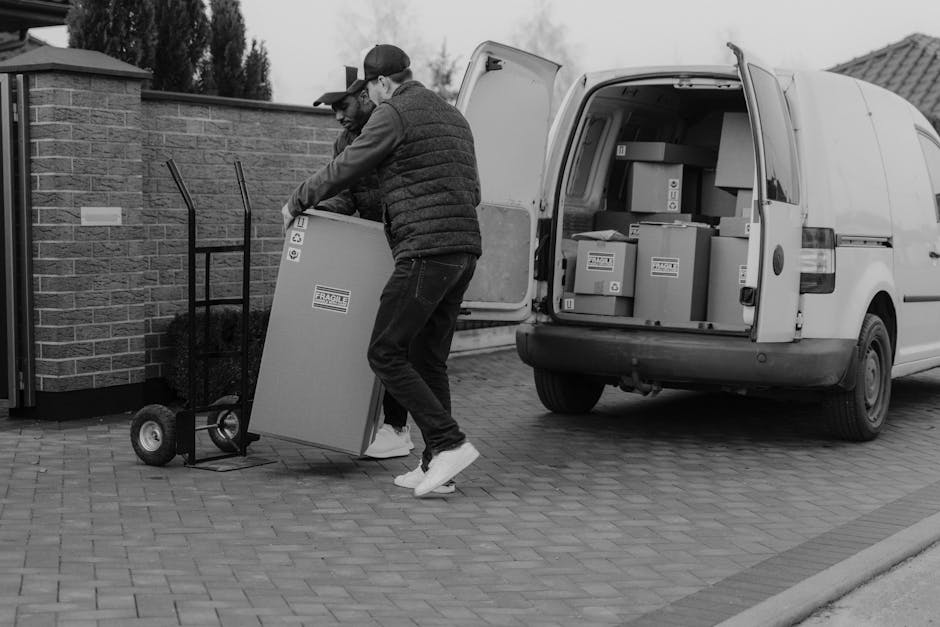
Man With Van in Botany Bay

Man With Van Botany Bay provides a practical moving service for household items, single pieces of furniture and light commercial loads that need careful handling rather than a full-scale removal crew. The service is suited to customers who want transport, loading help and sensible route planning in one visit, without paying for capacity they do not need. It is a straightforward option for local moves, collection work and deliveries that call for a van-based removal service with a calm, organised approach.
We can help with removals that involve flats, rooms, storage units and awkward items such as sofas, white goods and office furniture. The work is arranged around the load, access and destination, so the most suitable vehicle and handling plan can be chosen for the job. That makes it easier to move items safely, especially where stairs, tight hallways or limited parking mean the transfer needs a little more care than a simple drop-off.
For a clear starting point, the service pages cover the main types of move and related support. If you are comparing options, look at the man and van service alongside the broader removal services overview. For a direct estimate of the work involved, you can also visit the pricing and quotes page and then request a quotation in the way that suits you.
Local moving help for homes and smaller loads
A van-led move is often the right fit when the job is too involved for a standard car but does not justify a large removal operation. That may include a few room contents, a small flat, student belongings, or a careful transfer of selected furniture between addresses. The focus is on useful capacity, safe lifting and efficient loading, with enough flexibility to manage the practical details that often make a move smoother.
Many customers use this type of service when the task is time-sensitive but still needs proper care. Items can be loaded in a planned order, secured for transit and delivered in a sequence that suits the destination. Where appropriate, we can also support the movement of boxed goods, dismantled furniture and protected household pieces. If you are unsure how much space your items will take, the home moves page gives a clearer picture of the kind of domestic work that can be covered.
The main benefit is simplicity. Instead of splitting a job across several trips or arranging separate transport and labour, one service can cover collection, carrying and delivery. This is especially useful for customers who want a move kept tidy and manageable. Careful loading matters because it helps reduce movement in transit, protects items from unnecessary knocks and makes delivery more efficient at the far end.
Furniture collections, deliveries and single-item transport

Not every booking is a full move. A man with a van service is often used for one-off furniture collections, marketplace purchases, store deliveries and the transport of a heavy item that will not fit in a regular car. These jobs are often simple in theory but awkward in practice, because the item may be bulky, difficult to lift or too valuable to leave to guesswork. A van with handling support gives the job a more controlled shape.
Customers commonly ask for help with beds, wardrobes, tables, chairs, appliances and boxed goods that need secure transport. Some items require basic dismantling or careful wrapping before loading; others just need a sensible carrying route and proper lifting technique. For move-related collections that need a slightly broader remit, the furniture pick-up page is a useful place to start. It is a practical complement to the main van service.
When arranging a single-item move, it helps to think about weight, access and where the item is going to be placed on arrival. That information shapes the vehicle choice and the handling plan, and it also helps avoid unnecessary delay at either end. If the item needs to pass through narrow doorways or upper floors, a little advance detail makes the process more orderly. The aim is always to keep the move neat, safe and proportionate to the load.
House removals made more manageable
For larger domestic moves, the service can be scaled to support a full house removal rather than a one-off collection. The key difference is that the work becomes more structured: the team has to think about packing order, room-by-room loading, careful stacking and the sequence in which items will be unloaded. That approach is useful for customers who want a more responsive alternative to a large lorry-led move while still keeping the job organised.
The broader house-moving pages explain the service family in more detail, including house removals, house removalists and house movers. These pages are helpful if you want to compare the language around domestic removal work and choose the level of support that matches your property and contents. The most suitable option depends on the size of the move, the number of items and the access at both addresses.
One important point is planning the load order. Heavier pieces are normally positioned to stay stable, while more delicate items are kept protected and separated from anything that could crush them. That sort of practical judgement can make a difference when furniture, boxes and appliances all need to travel together. A good domestic move should feel considered rather than rushed, even when the booking itself is fairly small.
Packing support and protection for transit
Some customers want a moving service that goes beyond transport alone. Packing and unpacking support can help when the contents include mixed household items, fragile pieces or awkward shapes that would be harder to handle safely if they were left loose. The work may involve basic wrapping, grouping items by room or type, and loading in a way that keeps breakable goods away from heavier objects. It is a practical addition where the move would benefit from a more orderly start.
Where packing support is needed, the aim is to make the move easier to manage without overcomplicating it. Boxes should be sealed properly, loose items should be grouped sensibly and fragile belongings should be given the extra attention they require. For customers who want this kind of help as part of a domestic or small-business move, the packing and unpacking services page outlines the support available alongside the transport itself. That makes it easier to shape the job around what is actually being moved.
The best packing arrangements are usually simple and consistent. Labelling, protection and sensible grouping help the unloading stage run more smoothly, especially if items are heading into different rooms or into storage. A move is often easier to live with when the loading order and the unpacking order are thought through together. That saves time later and reduces the risk of items being placed where they do not belong.
Office removals and business transport
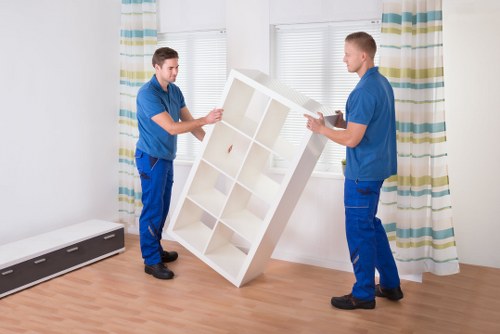
Business customers sometimes need the same flexible transport approach as home movers, but with a different emphasis. Office removals often involve desks, chairs, filing, IT equipment, boxed archive material and furniture that must be taken out carefully so that operations can continue with as little disruption as possible. A man with van setup is often well suited to smaller office moves, branch transfers and ad hoc business deliveries that need a tidy, dependable vehicle-based service.
The most relevant commercial pages include office removals and office relocation services, together with the broader commercial moves page. These are useful if your load includes workstations, storage units or other office contents that need to be lifted, transported and delivered in a controlled way. Where the business contents are fewer in number, a van-based approach can keep the job compact and straightforward.
Commercial jobs often benefit from clear sequencing. That may mean moving key items first, keeping related equipment together or loading by department so that the destination setup is simpler. If the work includes sensitive electronics or items that need to be handed over in a specific order, advance planning is especially valuable. Order and labelling can save time when the vehicle reaches the destination and the unloading has to be efficient.
Vehicle choice, loading and what affects the price
The right van for a job depends on more than volume alone. Access, item shape, weight distribution and the distance between collection and delivery all matter. A long but light load may fit very differently from a compact set of heavy items, and stairs or poor parking can alter how the work is handled. Choosing the vehicle and service level carefully helps keep the move practical rather than over-specified.
Pricing is usually shaped by a small number of clear factors: how much needs moving, how awkward the access is, how far the route runs, and whether the job needs extra handling such as dismantling or protection. If you want to compare the different ways the company presents its charges, the pricing and quotes page is the clearest place to begin. It gives a better idea of how to approach a request for a quotation without guessing at the scope.
When preparing any enquiry, it is useful to note the items involved, the collection and delivery points, and whether there are stairs, lifts or restrictions on parking. That allows the move to be matched to the right kind of vehicle and labour. If you are still weighing up options, you can also review the removals and man and van removals pages before asking for a quote. A clear brief usually leads to a more useful estimate.
Safety, handling and responsible transport
A good moving service is not only about getting items from one place to another. It also depends on how well the load is handled at each stage. Lifting technique, secure placement in the van and sensible restraint of the cargo all help reduce the chance of damage. This matters just as much for ordinary household items as it does for more sensitive pieces, because a careless move can create avoidable problems even on a short route.
The company pages on insurance and safety and health and safety policy are relevant if you want to understand the approach taken to transport and handling. They sit alongside the practical service pages and help show how the move is organised behind the scenes. Where there are policies about protection, conduct or safe working methods, those pages are useful references before a booking is confirmed.
Responsible transport is also about knowing when an item needs extra care. Glass, mirrors, white goods and assembled furniture all need different handling decisions. The right approach is usually the one that balances protection with efficiency, rather than adding unnecessary layers of work. In practice, that means the move is kept practical, the load is kept stable and the delivery is handled with proper attention.
About Botany Bay
Botany Bay is a coastal area in the London Borough of Enfield, in north London, set within the Lee Valley landscape and close to the edge of the capital’s suburban and rural transition zone. The area is known for its country-park setting rather than dense urban development, and its open spaces make it feel distinct from the more built-up parts of Enfield nearby. Botany Bay forms part of a wider Green Belt environment, with fields, tracks and woodland creating a softer boundary between neighbourhoods. The name is also associated with Botany Bay Road and the local open land that gives the district its character. In the surrounding area, the River Lee system and associated reservoirs have long shaped land use, access and recreation across the valley. Not far away, landmarks such as Forty Hall and its estate reflect the area’s deeper historic landscape of farms, parkland and country houses. The district sits within a patchwork of routes that connect villages, suburbs and open countryside, so it has a quieter and more dispersed feel than the centre of Enfield. That mix of settlement and open land is part of what defines Botany Bay, alongside its proximity to walking routes, fields and woodland edges that remain part of the local identity.
How to prepare a move with less stress

A straightforward move is often the result of a few practical decisions made early. It helps to group items that belong together, separate anything fragile from heavier loads and identify anything that needs dismantling before transit. These steps are not complicated, but they do make the loading stage easier to manage. If there are access concerns, mentioning them in advance allows the route into and out of the property to be considered before the vehicle arrives.
It is also sensible to think about the destination. If items are going into storage, one room or several different locations, that affects how they should be loaded and labelled. The same applies if you need help with only part of a house move or if the job is a mix of furniture and boxes. For broader move planning, the house removers and moving van pages can help you compare the sort of transport support available for different household scenarios.
When you are ready to ask for a quotation, keep the request simple and accurate. A short description of the items, the addresses and any access issues is usually enough to begin with. From there, the job can be matched to the right service level. If you would like to move ahead, please request a quotation using the contact option that suits you best.
Choosing the right removal page for your job
Some customers start with a general idea of what they need and then narrow it down after reviewing the service pages. That can be useful because the wording around removals, moving vehicles and van-led support is not always identical. A small domestic move may fit the general removals near me and removals van pages, while a more specific job might fit the van-based or house-moving options better. The aim is to match the page to the actual work.
The selection is often simpler when the contents are described plainly. For example, a few pieces of furniture and several boxes point to a light removal, while a fuller home move may need a more rounded service description. The pages for man and a van, moving truck and moving van can be read as different ways of describing transport support rather than rigidly separate promises. That helps when deciding which option to enquire about.
Across all of these choices, the practical question is the same: what will the vehicle need to carry, and what help will be needed to move it safely? Once that is clear, the rest of the booking becomes much easier. If you already know the main items, you are close to having enough detail for a quotation, so take a moment to outline the load and then move on to the enquiry stage.
Request a quotation for your Botany Bay move

If you need a local moving service in Botany Bay, the simplest next step is to ask for a quotation based on the items, access and destination. That gives a better starting point than trying to estimate the work informally, especially where heavier furniture, stairs or a mixed load are involved. The service is designed to stay practical, clear and proportionate to the move in hand, whether it is a single collection or a fuller house or office transfer.
You can also compare related pages if you want to refine the request before getting in touch. The most relevant options are the general removal company page, the service overview at man with van and the wider removals page. These pages help you see how the service is framed and which description feels closest to your job. Once you are ready, keep the details short, accurate and focused on the work itself.
For a quotation, simply outline what needs moving and when, then use the contact route provided on the site. If you want to proceed now, please request a quotation today.