Access Problems: Staircases & Parking at Botany Bay Moves
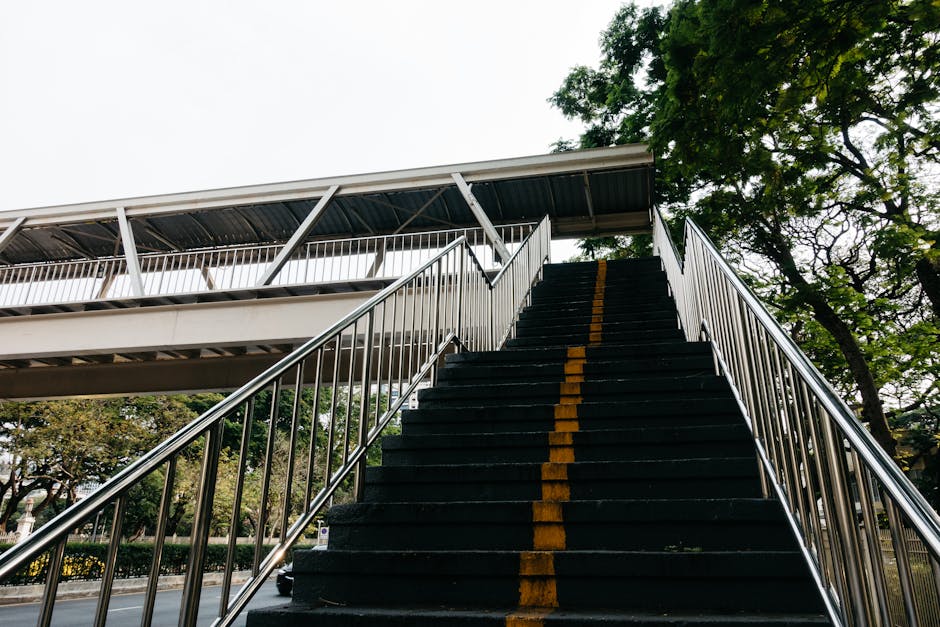
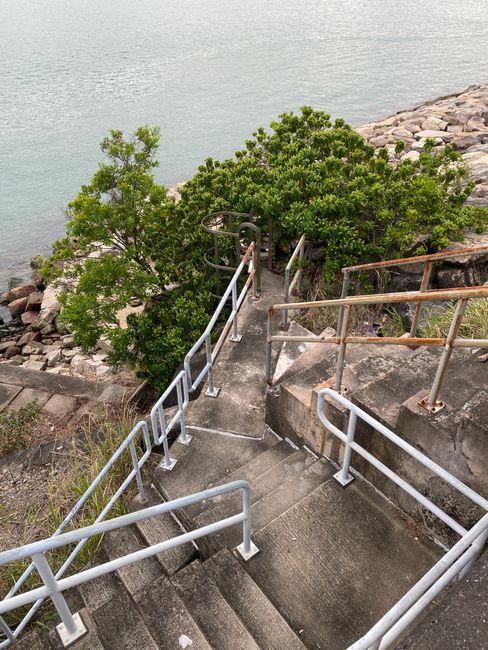
If you are planning a move in Botany Bay, the real challenge is often not the sofa, the boxes, or even the weather. It is access. Narrow staircases, awkward parking, tight turning points, and long carries can turn a simple removal into a slow, stressful day. That is exactly why understanding Access Problems: Staircases & Parking at Botany Bay Moves matters before anyone lifts a single crate.
In this guide, we will walk through the practical side of difficult access: how to spot the risks, what to prepare, how removal teams usually adapt, and which mistakes cost people time and money. You will also find a checklist, a comparison table, and a realistic example from a Botany Bay-style move. Nothing glossy. Just the stuff that actually helps on moving day.
Table of Contents
- Why access problems matter
- How staircases and parking issues affect a move
- Key benefits of planning access properly
- Who this is for
- Step-by-step guidance
- Expert tips for better results
- Common mistakes to avoid
- Tools, resources and recommendations
- Law, compliance and best practice
- Options and comparison table
- Case study or real-world example
- Practical checklist
- Conclusion
- Frequently asked questions
Why Access Problems: Staircases & Parking at Botany Bay Moves Matters
Access problems are not a small detail. They shape the whole move. A flat on an upper floor with a narrow stairwell can make large furniture awkward to carry and slow down even an experienced team. Add limited roadside parking, a busy stretch outside the property, or a long walk from the van, and suddenly the day needs more planning than most people expect.
In Botany Bay, this is especially relevant because local streets and coastal roads can be less forgiving than people imagine. That does not mean the move is impossible. Far from it. It just means you need to treat access like a core part of the job, not an afterthought.
The knock-on effects are pretty straightforward:
- more time spent loading and unloading
- higher risk of scuffs, knocks, and dropped items
- greater strain on movers and on you if you are helping
- possible parking conflicts or waiting time
- extra need for careful sequencing, especially with bulky furniture
To be fair, most moving stress comes from surprises. Good access planning removes a lot of those surprises before they happen.
If you are already thinking about how to reduce the pressure, a broader guide like moving without the stress can help frame the whole day in a calmer, more structured way.
How Access Problems: Staircases & Parking at Botany Bay Moves Works
When a removal team assesses access, they are usually trying to answer two questions: how far will items need to travel, and what obstacles will be in the way? That includes stairs, door widths, hallway bends, lifts, parking distance, and whether a van can stop safely near the property.
In practice, the process normally looks like this:
- Initial access check - You describe the property type, floor level, staircase shape, and parking situation.
- Risk spotting - The team looks for tricky furniture, tight turns, or places where protection might be needed.
- Load planning - Items are grouped in a sensible order so the heaviest or most delicate pieces are handled first or last, depending on the layout.
- Parking strategy - The van is positioned to reduce carrying distance as much as possible, while staying legal and practical.
- Protection and lifting method - Blankets, covers, straps, dollies, and extra hands are used where needed.
That sounds straightforward, and often it is. But the little details matter. A staircase with a tight dog-leg turn can be more awkward than a straight but steep flight. A parking space that is technically nearby may still be useless if it blocks traffic or sits too far from the entrance. Small thing, big difference.
For awkward or heavy items, a specialist approach can be the difference between a smooth exit and a lot of muttered apologies halfway down the stairs. If you are moving furniture, the team behind furniture removals in Botany Bay is a relevant reference point for this kind of job planning.
Key Benefits and Practical Advantages
Good access planning is not just about avoiding drama. It creates real benefits that you feel on the day and afterwards.
- Faster turnaround - Fewer delays mean the move stays on schedule.
- Lower damage risk - Less squeezing, fewer blind corners, and better handling usually mean fewer accidents.
- Less physical strain - Stair carrying is tiring work, especially with bulky furniture.
- Better budgeting - If access issues are known in advance, quotes are usually more realistic and less likely to shift at the last minute.
- Improved coordination - Everyone knows where to park, where to carry from, and which item needs special care.
There is also a psychological benefit, which people often underestimate. When a move starts with a clear plan, the whole day feels less like chaos and more like a managed process. You notice it in the first ten minutes. Fewer questions, fewer backtracks, less rushing.
If you are comparing services, it can help to read more about the wider range of support through the site's service overview before deciding what level of help you actually need.
Who This Is For and When It Makes Sense
This topic matters for almost anyone moving in or out of Botany Bay, but it is especially useful for certain situations:
- Flat moves with upper-floor access and no lift
- House moves where the driveway is blocked or too short for a van
- Older properties with narrow stairs, split levels, or small landings
- Coastal or central streets where parking is limited or heavily used
- Student moves where budget and timing are tight
- Same-day moves where there is little room for on-the-day problem solving
It also makes sense if you are moving anything awkward: beds, sofas, wardrobes, freezers, pianos, office desks. Truth be told, those are the items that expose bad planning fastest. If a sofa has to be tilted, rotated, and nudged down a staircase while someone is trying to hold a door open, you will know whether access was thought through properly.
For piano moves in particular, the stairs-and-parking question becomes much more serious. The handling requirements are different, and specialist preparation is usually worth it. You can read more in Botany Bay piano removals and the related article on professional piano movers.
Step-by-Step Guidance
Here is the simplest way to approach access planning without overcomplicating it.
- Measure the obvious things
Check stair width, landing size, front door clearance, and the distance from the property to the nearest safe parking point. Even a rough measurement helps. - List the awkward items
Make a note of anything bulky, fragile, or unusually heavy. A freezer, king-size mattress, large wardrobe, or sofa may need different handling. - Take photos
Photos of staircases, entrances, tight corners, and parking options are genuinely useful. A few clear pictures can save a lot of guesswork. - Share timing details
Tell the moving team if access is only available at certain times, or if neighbours, building rules, or traffic patterns may affect the move. - Reserve room near the entrance where possible
If there is legal and practical space to do so, reducing the carry distance can make a big difference. - Protect the route
Think about floor protection, door frames, bannisters, and any surfaces likely to take a knock. - Decide what needs specialist handling
A few items might be better handled separately, stored temporarily, or moved with extra equipment.
One small but useful tip: do not wait until the van is outside to realise the wardrobe will not take the landing turn. That happens. More often than people admit.
If you are still in the sorting stage, decluttering before a move can reduce the number of heavy or unnecessary items you need to carry through tricky access points.
Expert Tips for Better Results
These are the practical habits that make access-heavy moves run more smoothly.
- Use the smallest sensible van route - If a large vehicle cannot get close, plan for the carry distance and protect tiredness as much as possible.
- Keep hallways clear - Shoes, coat racks, bins, and plant pots become obstacles faster than you would think.
- Label awkward items clearly - Mark fragile, top-heavy, or two-person lift boxes so nobody guesses wrong.
- Have one person guiding at the stairs - A calm guide at corners and landings reduces the chance of scraping walls.
- Move the heaviest items first or last with purpose - The right order depends on the property layout. There is no one-size-fits-all rule.
- Check whether parking restrictions apply - Where parking is tight, a quick check of the street before the move can prevent silly delays.
- Choose practical packing materials - Strong boxes and proper wrapping reduce shifting during stair carries.
If you are packing up the property carefully, it is worth using advice from the art of packing for a smoother move and the local resource on packing and boxes in Botany Bay.
And yes, it really does matter how tightly a box is packed. A box that collapses on a stair landing is nobody's idea of a good morning.
Common Mistakes to Avoid
Access issues usually become expensive or stressful when people make the same few mistakes.
- Assuming "just park outside" will work - In reality, the closest space may already be taken or unsuitable for unloading.
- Forgetting about internal access - A wide front path does not help if the staircase inside is too tight for the item.
- Leaving bulky furniture assembled - Flat-pack items and large pieces sometimes need disassembly before they can pass through safely.
- Underestimating carry distance - Ten metres sounds short until you are carrying a fridge in drizzle.
- Not warning anyone about fragile banisters or narrow turns - The best teams protect surfaces carefully, but they still need to know what they are dealing with.
- Trying to do too much with too few people - That is where backs get strained and timing slips.
A lot of these problems are avoidable with a bit of honesty. If access is awkward, say so early. It does not make the move harder to arrange; it makes it easier to do properly.
If money is part of the decision, it may help to review pricing and quotes so you understand how access and workload can influence the estimate.
Tools, Resources and Recommendations
You do not need specialist kit for every move, but the right tools make awkward access safer and quicker. The usual useful items include:
- stair trolleys or sack trucks, where suitable
- removal blankets and furniture covers
- stretch wrap for drawers and doors
- ratchet straps or securing straps
- gloves with a good grip
- door protectors and floor covers
- basic measuring tape
Beyond equipment, good resources are mostly about preparation. That means accurate photos, honest descriptions, and a realistic moving schedule. If your timing is tight, a same-day removals service in Botany Bay may be relevant, but only if access details are shared early enough to avoid last-minute surprises.
For heavier or awkward items, some people also arrange temporary storage rather than forcing everything through a difficult stairwell in one go. In those cases, storage in Botany Bay can be a practical pressure valve. Not glamorous, but useful. Very useful.
Law, Compliance, Standards, or Best Practice
With access planning, the main focus is usually best practice rather than complicated legal theory. Still, a few points matter in the UK context.
First, parking must be handled sensibly and legally. If a van cannot stop directly outside, it needs to park where it is permitted to do so. Blocking driveways, footpaths, or traffic lanes is not a sensible shortcut. It may cause complaints, fines, or delays, and nobody wants that on moving day.
Second, movers and customers both have a duty to work safely. That means using proper lifting methods, not overloading people, and taking care on stairs and landings. The health and safety policy and insurance and safety guidance are useful reference points for understanding the standard expected of a professional move.
Third, accessibility matters. If the building has access constraints that affect people with mobility needs, those should be considered carefully and respectfully. A good mover will think about practical access for the items and the people involved. That is common sense, but it is also the right approach.
Finally, if you are booking a company, read the terms and conditions clearly. It is not the most exciting part of planning, admittedly, but it helps avoid misunderstandings about waiting time, access difficulties, or additional labour.
Options, Methods, or Comparison Table
There is more than one way to handle an access-heavy move. The right choice depends on the staircase, parking, and the items being moved.
| Method | Best for | Pros | Watch out for |
|---|---|---|---|
| Direct parking close to the entrance | Short carries, easy roadside access | Fastest option, less fatigue, simpler loading | Not always available in Botany Bay streets |
| Long-carry from a legal parking spot | Busy roads or limited kerb space | Reliable and lawful, can still work well with planning | Takes longer and increases physical effort |
| Extra-hand assisted stair carry | Heavy furniture or awkward upper-floor moves | Better control on landings and turns | Needs more coordination and space |
| Partial dismantling before movement | Wardrobes, bed frames, some sofas | Makes turning corners much easier | Requires tools and careful reassembly |
| Temporary storage first | Complex access, multiple trips, or timing issues | Reduces pressure on the main moving day | Extra planning and extra handling |
In simple terms, the best method is the one that reduces risk without creating new problems. Usually that means choosing the least dramatic route, even if it feels slightly less convenient.
Case Study or Real-World Example
Here is a realistic Botany Bay-style scenario. A couple moved out of an upper-floor flat with a narrow stairwell and no lift. Parking outside the property was limited to short windows, and the van could not sit directly at the kerb for long. Their biggest items were a mattress, a sofa, a freezer, and a heavy dining table.
Instead of trying to rush everything at once, they did three things well:
- sent photos of the stairwell and parking area in advance
- removed table legs and loosened the sofa route before the team arrived
- kept the hallway completely clear, which sounds simple but made a real difference
The move still took effort. Of course it did. But it ran steadily, with fewer pauses and less edge-of-the-seat worry. The odd thing about difficult access is that the stress usually drops once the plan is clear. You can almost hear everyone exhale a little.
That kind of planning is especially helpful when moving large household items. If you have bulky pieces to shift, the advice in sofa storage and safe handling tips, bed and mattress moving guidance, and freezer storage methods can be surprisingly relevant before and after the move itself.
Practical Checklist
Use this quick checklist to reduce access-related headaches before moving day.
- Confirm the floor level and staircase shape
- Measure doorways, landings, and any tight turns
- Check whether the van can park legally and safely nearby
- Take photos of the entrance, street, and stairs
- Identify items that may need dismantling
- Wrap fragile furniture edges and corners
- Clear hallways, porches, and access routes
- Tell neighbours if parking space may be temporarily needed
- Set aside keys, permits, and building instructions
- Keep water, gloves, and a phone charger close to hand
- Plan a backup option if parking is unexpectedly unavailable
If you are still sorting through what to keep, donate, move, or store, a quick read on cleaning before the move and a look at a calmer moving approach can help you pull the whole process together. Small gains add up.
Conclusion
Access problems at Botany Bay do not have to derail a move, but they do need respect. Staircases, parking, and carry distances change everything from timing to safety to the final bill. The good news is that most of the stress can be reduced with a bit of honest planning, a few photos, and the right moving setup.
If you remember only one thing, make it this: the move starts long before the van arrives. Measure the awkward bits, speak up about the difficult bits, and choose a plan that protects both your belongings and your back. That is the difference between a frantic day and a properly managed one.
Get a free quote today and see how much you can save.
And if the staircase looks impossible at first glance, don't panic. Most moves are more workable than they look at 8 a.m. on the day.
Frequently Asked Questions
What counts as an access problem during a move?
An access problem is anything that makes loading or unloading harder than normal. That can include narrow staircases, no lift, long carries from the van, tight parking, steep steps, or awkward turning points inside the property.
How do I know if my Botany Bay property has difficult access?
If you have to squeeze furniture around corners, cannot park close to the entrance, or need to carry items up multiple flights of stairs, access is probably difficult enough to mention in advance. If you are unsure, a few photos usually make it obvious.
Should I tell the removal company about stairs and parking before booking?
Yes, absolutely. The earlier they know, the more accurate the plan and any quote will be. It also helps them decide whether extra time, extra people, or special equipment might be needed.
Does difficult access always mean a move costs more?
Not always, but it often affects the amount of labour and time involved. Some moves only need a small adjustment, while others need more support. The honest answer is that access can influence price, but it depends on the full job.
What if the van cannot park directly outside my property?
That is common in busier parts of Botany Bay. A safe, legal parking spot nearby is usually the next best option. The team then plans for a longer carry, which may take a bit more time but still works well.
Can furniture be taken apart to make stair movement easier?
Often, yes. Beds, wardrobes, tables, and some sofas can be partially dismantled to fit through tighter spaces. It is usually a smart move if the staircase or landing is awkward.
What items need the most care on stairs?
Large or fragile items are the obvious ones: sofas, mirrors, mattresses, wardrobes, freezers, and pianos. Heavy items are one thing, but items that are both heavy and awkward are the real headache.
Is it worth using storage if access is bad?
Sometimes, yes. If access is too difficult for everything to move in one clean run, temporary storage can reduce pressure and keep the main move safer and more organised.
How far in advance should I plan for stair and parking issues?
As soon as you know the property details. Even for smaller moves, a few days of planning is better than discovering the problem on the morning itself. If you are booking something urgent, share access details immediately.
Do I need to measure the staircase myself?
It helps, but you do not need architectural precision. Rough measurements, photos, and a description of any awkward turns are usually enough for a sensible assessment.
What is the safest way to move heavy furniture upstairs or downstairs?
The safest approach is to use the right number of people, good lifting technique, and proper equipment where needed. For very heavy or awkward items, specialist help is usually the wiser choice. The stairs are not the place to be heroic.
Where can I get more help planning a move in Botany Bay?
Start by checking the practical moving resources on the site, including local parking tips for narrow streets, the CT10 area guide, and the wider removals support in Botany Bay available for different move sizes and needs.
What if I need a move arranged very quickly?
If timing is tight, make sure access details are shared right away. Short-notice moves can still work well, especially when parking, stairs, and item size are described clearly from the start. That is the bit people sometimes skip, and then regret later.