Pavement & parking rules for Botany Bay moves (Kent)
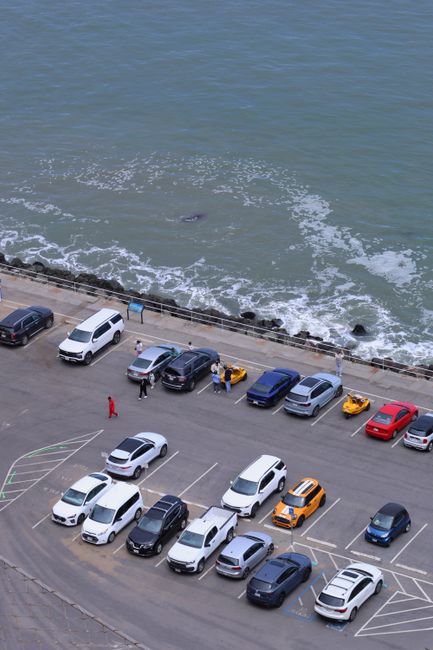
Moving in Botany Bay can look simple on a map and then turn complicated the second a van arrives. Narrow lanes, seaside traffic, busy residents' bays, and awkward kerbs can all get in the way. That is why understanding Pavement & parking rules for Botany Bay moves (Kent) matters before lifting a single box. A good move is not just about carrying furniture safely; it is also about where the van stops, how long it can wait, and whether pedestrians still have a clear route. Get that wrong and a calm moving day can turn into a stressful, stop-start mess. Get it right and everything flows much more smoothly.
This guide breaks the topic down in plain English: what the rules usually mean in practice, how movers plan around them, where delays creep in, and what to check before moving day. If you are planning a flat move, a house move, or even a short notice collection, you will find practical advice here that is grounded, local, and actually usable.
Why Pavement & parking rules for Botany Bay moves (Kent) Matters
On moving day, every minute counts. A van parked in the wrong place can mean longer carries, blocked access, annoyed neighbours, and a team that has to keep pausing to make sure no one is creating a hazard. In a place like Botany Bay, that risk is amplified because roads and access points can be tighter than people expect. It is not unusual for one side of the street to look fine for a car, while still being awkward for a removals van with ramps, trolleys, and crew moving in and out.
Pavement access matters for a similar reason. A pavement is for pedestrians first. If a van, stack of boxes, dolly, or sofa partially blocks it, then the move can cause an obstruction. Even where no one says anything at the time, the practical issue remains: a blocked footway slows the move, makes it less safe, and can create avoidable friction with residents or passers-by. Nobody wants to be that household with a mattress balanced halfway across the path. To be fair, it looks worse than it sounds, but still.
There is also the cost angle. A poor parking setup can stretch a job longer than planned, which may affect labour time, vehicle idle time, or the need for extra support. That is why careful parking planning is not some fussy admin detail. It is part of getting value from the whole move.
Expert summary: In Botany Bay, the best moving-day parking plan is usually the one that reduces carry distance, keeps pavements clear, and leaves enough room for the van to work safely without interrupting neighbours or traffic.
How Pavement & parking rules for Botany Bay moves (Kent) Works
There is no single magical rule that fits every street. In practice, moving-day parking is usually shaped by a few overlapping factors: local restrictions, road width, access for pedestrians, loading space, and whether the van can stop legally and safely near the property. Around Botany Bay, the difference between a smooth load and a messy one often comes down to how well those factors are checked in advance.
In general, removal teams look at the street first, then the property. Is there a kerbside space close enough for loading? Are there yellow lines or marked bays? Is there a turning space for a larger vehicle? Can the van stay close without blocking driveways, junctions, or footways? If the answer to any of those is uncertain, the team may need to adjust the plan, or the move may take longer than expected.
Some streets are straightforward enough for a standard van with careful timing. Others need much more thought. Narrow roads near the coast, busy weekend parking, and seasonal traffic can make a short stop feel like a small military operation. The trick is not to panic. It is to plan, and then plan a bit more.
One important thing to remember: moving-day "parking rules" are not just about tickets or legal notices. They are also about practical access. Even if a space appears available, it may still be a poor choice if it forces lifting across a long distance, places the team on a slope, or leaves the rear doors opening into traffic. The best option is usually the safest one that still keeps the carry short.
Key Benefits and Practical Advantages
Planning parking and pavement access properly brings benefits that show up immediately on the day and again afterwards, because a smoother move tends to have fewer knock-on problems.
- Faster loading and unloading: shorter carrying distances mean less back-and-forth and fewer delays.
- Lower risk of damage: furniture, walls, wheel rims, and doorframes are all less likely to suffer if the route is clear.
- Better safety: crews can move with more control when they are not squeezing past parked cars or balancing items on uneven edges.
- Less stress for you: if parking is sorted, the day feels less chaotic. Simple as that.
- More predictable timings: a well-planned stop reduces the chance of last-minute re-parking or awkward shuffling.
There is also a softer advantage: confidence. When the parking side of the move is under control, the whole process feels more professional. You can focus on the actual move, not on whether the van is in someone's way. That sounds minor until you are in the middle of it, with a hallway full of boxes and someone asking if the sofa can wait five minutes. It cannot always wait five minutes.
For many customers, the biggest benefit is a calmer start to the day. That matters more than people think. Moving is noisy, physical, and full of little decisions. Remove one major unknown, and the rest becomes easier to handle.
Who This Is For and When It Makes Sense
This topic matters to almost anyone moving in or out of Botany Bay, but some people need the planning more than others.
- Flat movers: if you are in an apartment or upper-floor property, parking close is even more valuable because every extra metre becomes another carry.
- House movers: driveway space or frontage access may look simple, but only if the vehicle actually fits without blocking the pavement or a neighbour's access.
- Students and short-term renters: smaller moves can still get tripped up by loading restrictions, especially when the move happens in a busy window.
- Office movers: time pressure makes parking and access planning essential; nobody wants staff waiting outside while a van circles the block.
- People moving bulky items only: a single sofa, piano, freezer, or bed still needs safe stop-and-load space.
It also makes sense if you are moving on a tight schedule, using a same-day service, or trying to coordinate around school runs, deliveries, or low-tide tourist traffic near the coast. In those cases, parking is not a minor detail. It is one of the main variables.
If you have already noticed that your street feels awkward for a larger vehicle, do not ignore that instinct. Often it is right.
Step-by-Step Guidance
1. Check the property and street together
Start by standing outside the property and looking at the whole route, not just the front door. Where can the van stop? How far would the crew need to carry items? Is there a curb cut, slope, or narrow pavement section that changes the plan? You are trying to spot the pinch points before they become actual problems.
2. Note any obvious restrictions
Look for yellow lines, permit bays, loading-only areas, driveways, school zig-zags, bus stops, or places where parking is clearly discouraged. If you are unsure, treat the area as restricted until you can confirm otherwise. That is the safer mindset.
3. Measure the practical vehicle fit
It is not only about whether a van can stop. It is about whether it can stop and still let doors open safely, with room for people to pass. A road might technically allow a short stop but still be too tight for moving furniture without awkward manoeuvring.
4. Plan the loading order
Put the heaviest or most awkward pieces closest to the exit, and make sure the van position suits that order. If a piano or large wardrobe is leaving first, you want the shortest and cleanest path possible. If you are moving boxed items first, the plan changes again. That part is often overlooked.
5. Protect the pavement and neighbours
Keep entrances clear, avoid leaving items on the footway longer than needed, and use door protectors or floor coverings where helpful. A considerate move is usually a smoother move. People remember courtesy. They also remember blockages, unfortunately.
6. Build in a timing buffer
Parking on a coast-facing street in Botany Bay can be fine at 8 a.m. and very different by late morning. Give yourself slack. A little extra time is far cheaper than rushed lifting and avoidable mistakes.
7. Decide whether extra support is needed
If access is awkward, a larger crew or a more suitable vehicle may be worth it. If you are moving awkward items like pianos or oversized furniture, specialist handling can reduce risk and make parking limitations less punishing.
Expert Tips for Better Results
There are a few habits that make a noticeable difference, and they are all pretty down to earth.
- Use the shortest legal stop, not the nearest tempting one. A slightly farther legal bay is often better than a risky position with room for arguments.
- Move the car-sized thinking out of your head. A van is not a car. It needs more room to pull in, open, and leave again.
- Keep one person watching the door and one watching the street. That simple split avoids a lot of awkward moments.
- Do a quick pre-move walk the day before. Morning light can reveal things you missed in the evening, like tight corners or a bin day stack that suddenly matters.
- Use the first load to test the route. If the carry feels bad for one set of boxes, it will feel worse for the sofa.
One practical tip that saves headaches: treat parking as part of your moving inventory. Sounds odd, but it works. Just like you count boxes, tape, labels, and blankets, count access needs. If the van needs to wait, if the pavement is narrow, if one item needs a ramp, note it. Otherwise it gets lost in the chaos.
And yes, sometimes the best plan is simply to start a bit earlier. Boring answer, but it works.
For help with the loading side of things, our guide to packing for a smoother home transition is a useful companion read. If you are dealing with particularly heavy furniture, you may also find advice on solo heavy-object lifting helpful for understanding why access planning matters so much.
Common Mistakes to Avoid
These are the kinds of errors that seem small at first and then suddenly cost time, money, or both.
- Assuming there will be a space: on a busy day, "there's usually somewhere" is not a plan.
- Ignoring the width of the pavement: a narrow footway can make unloading awkward even if the road itself looks fine.
- Forgetting that a driveway can still be awkward: slopes, kerbs, and gate widths all matter.
- Leaving parking until the van arrives: by then, you are reacting instead of controlling the job.
- Blocking access for too long: this is a common source of complaints, and it can be avoided with better staging.
- Underestimating coastal traffic patterns: Botany Bay can feel much busier at certain times than people expect. That seaside rhythm changes the day.
One more mistake deserves a special mention: not briefing the crew properly. If the street has a tricky bend or a bay that fills early, say so. Even if it feels obvious to you, it may not be obvious to someone arriving cold for the first time.
Tools, Resources and Recommendations
You do not need fancy kit to handle parking and pavement access well, but a few simple tools help enormously.
- Measuring tape: useful for checking doorway widths, bay lengths, and awkward gaps.
- Phone camera: take photos of the street, kerb, and frontage so you can brief movers clearly.
- Household labels: not parking-related directly, but they speed up loading once access is sorted.
- Furniture blankets and sliders: helpful when items need to travel a longer distance from van to property.
- Well-planned packing materials: if the lift path is long, you want boxes that stack securely and do not fall apart halfway.
For related practical planning, the website's services overview can help you think through the kind of move you are arranging, while packing and boxes guidance is useful if you want to reduce the number of loose, awkward items being carried over longer distances. If your move involves a vehicle booking and you want to keep things straightforward, the page on removal van options in Botany Bay is a sensible place to compare the kind of support you may need.
Law, Compliance, Standards, or Best Practice
This is one of those areas where careful wording matters. Parking and pavement rules are shaped by local restrictions, traffic regulation, road layout, and general road safety expectations. For moving purposes, the safest approach is to assume that any stop must be both lawful and considerate. If a vehicle is too close to a junction, blocks a driveway, obstructs a dropped kerb, or prevents pedestrians using the footway, it is usually a poor choice even before you get into permit questions.
In practice, good movers work to a few common standards:
- Keep pedestrian access open where possible.
- Do not block emergency access, driveways, or turning space.
- Use safer loading positions rather than squeezing into a risky one.
- Respect local restrictions and any permit requirements.
- Choose the least disruptive method that still lets the job be completed properly.
Where a move may need a special parking arrangement or council permission, it is best to sort that well ahead of time. For a Botany Bay-specific perspective, the page on Thanet Council permits for removals is relevant reading, especially if you are not sure whether your street will need additional planning. And if your move has a tight turnaround, same-day removals in Botany Bay can be helpful to understand how time pressure affects access planning.
Best practice also means being realistic. If the ideal space is unavailable, the answer is not to force it. It is to adjust the load, timing, or vehicle position. That is how you avoid small problems becoming larger ones.
Options, Methods, or Comparison Table
There is rarely one perfect setup. Usually you are choosing between a few workable methods, each with trade-offs.
| Method | Best for | Advantages | Limitations |
|---|---|---|---|
| Kerbside loading near the property | Short, simple moves with good street access | Fast, efficient, easy for heavier items | May be restricted by parking controls or traffic flow |
| Short walk from a legal bay | Busy streets with limited stopping space | Often more compliant and less disruptive | Longer carries, more labour, slower turnaround |
| Driveway loading | Homes with suitable private access | Very convenient when the vehicle fits properly | Not always possible; slope or width may still cause issues |
| Timed access with extra support | Large or awkward moves, such as flats or bulky furniture | Reduces stress when access is tight | May need more planning and coordination |
For many Botany Bay moves, the real decision is not about which method is theoretically best. It is about which one will be safest and least disruptive on the actual street, at the actual time, with the actual furniture in front of you. That sounds obvious, but people skip it all the time.
Case Study or Real-World Example
Here is a realistic example based on the kind of move people commonly face in Botany Bay.
A couple moving out of a first-floor flat had a van booked for late morning. The street looked manageable at first glance, but by the time the van arrived, parking was tighter than expected because several cars had already filled the nearest bays. There was still a legal stop a short distance away, but it meant a longer carry through a narrow section of pavement and across a slightly sloping approach to the building.
The team adapted by splitting the move into two stages. Smaller boxes were taken first while a second person monitored the street for safer access. The large sofa and mattress were then moved once the route was clear. It was not dramatic, just methodical. But the difference was noticeable: fewer pauses, less awkward lifting, and no one trying to squeeze a bulky item around a blind corner in a rush.
The couple later said the main lesson was simple: the move itself was not hard, the parking assumption was. That happens more often than people admit. Not because they planned badly, but because the street looked easier than it really was. Very human mistake, honestly.
Practical Checklist
Use this before moving day if you want to keep pavement and parking issues under control.
- Confirm the moving date and likely arrival window.
- Walk the street and note where a van could safely stop.
- Check for yellow lines, loading restrictions, or obvious obstructions.
- Measure the route from the van position to the front door.
- Identify any steps, slopes, narrow gates, or tight corners.
- Tell the moving team about awkward access points in advance.
- Make sure boxes are packed so they can be moved efficiently once the van is parked.
- Keep bins, bikes, and loose items out of the route.
- Have a backup plan if the closest bay is taken.
- Leave a little time buffer. You will be glad you did.
If your move includes larger household items, it can also help to review the internal guide on narrow street parking tips for Botany Bay beach moves. And if you are trying to reduce the load before the day itself, decluttering for a hassle-free move is a genuinely useful next read.
Quick takeaway: the best parking plan is the one that makes the move safer, shorter, and less disruptive without trying to force a perfect space that does not really exist.
When in doubt, think practical first, tidy second, and fast last. That order usually saves the day.
For a full view of how the company approaches moving jobs, you can also look at removals in Botany Bay and insurance and safety if you want to see how access planning fits into a broader, safer service.
Conclusion
Pavement and parking planning may not sound like the glamorous part of moving, but it is one of the most important. In Botany Bay, where access can shift quickly from straightforward to fiddly, getting this right can save time, reduce stress, and protect both property and people. The key is to treat the street as part of the job, not just the address.
With a bit of preparation, a realistic loading plan, and a clear eye for local access issues, you can keep the day moving without unnecessary drama. And let's face it, moving day already brings enough drama of its own.
If you are planning a move soon and want a practical, locally aware approach, use the guidance above to prepare early and keep your options open.
Get a free quote today and see how much you can save.
Frequently Asked Questions
Do I need to arrange parking for a move in Botany Bay?
In many cases, yes. Even if the street looks open, it is worth planning where the van can legally and safely stop. Botany Bay can have narrow roads and limited space, so a bit of advance thought helps a lot.
Can a removals van park on the pavement?
Generally, you should not assume pavement parking is acceptable. The safer approach is to keep the footway clear and use a lawful loading position. If there is any doubt, plan for street parking or another safe stop instead.
What happens if the nearest parking bay is taken?
The crew may need to use a fallback position and carry items a little further. That is why a backup plan is so useful. It is better to have one ready than to improvise under pressure.
How far from the property can a van reasonably park?
There is no fixed answer. The practical limit depends on the items being moved, the crew size, the route quality, and how much time you have. Shorter is usually better, but safe and legal matters more than ultra-close.
Are there special rules for flats or upper-floor moves?
Yes, in practice there often are. Flats tend to need more careful access planning because stairs, corridors, and street parking all affect the pace of the move. If you are moving from a flat, parking matters even more.
What should I tell the moving company before the job?
Tell them about road width, any restrictions you know of, where a vehicle might stop, and whether there are steps, slopes, or awkward gates. A quick description can prevent a lot of awkwardness later.
Can parking issues make the move more expensive?
They can, indirectly. If access is harder, the job may take longer or need extra handling. The exact impact depends on the service, but poor parking planning can definitely add pressure and time.
Is Botany Bay harder to move in than other parts of Kent?
It can be, especially where roads are narrow or busy at certain times of day. That does not mean moves are difficult by default, only that access planning deserves more attention than in a wide-open suburban street.
What is the best time of day for parking during a move?
Usually the quieter part of the day works best, but it depends on the street and the season. Early starts often help, especially if nearby parking fills quickly.
Should I keep bins and personal items off the pavement on moving day?
Absolutely. Keeping the route clear makes the crew faster and safer. It also reduces the chance of trips, scrapes, or complaints from neighbours. A clear path is one of the easiest wins on moving day.
What if my move needs a permit or special permission?
Then it is worth dealing with that early rather than leaving it to the last minute. Local permit needs vary by street and situation, so checking ahead is the sensible move. The last thing you want is a van idling while someone tries to work it out on the pavement.
Can I manage parking myself instead of asking the movers?
Yes, many people do. But it works best when you have already walked the route, understood the restrictions, and have a backup in mind. If you leave it to the last second, it becomes guesswork, and guesswork is rarely your friend on a moving day.