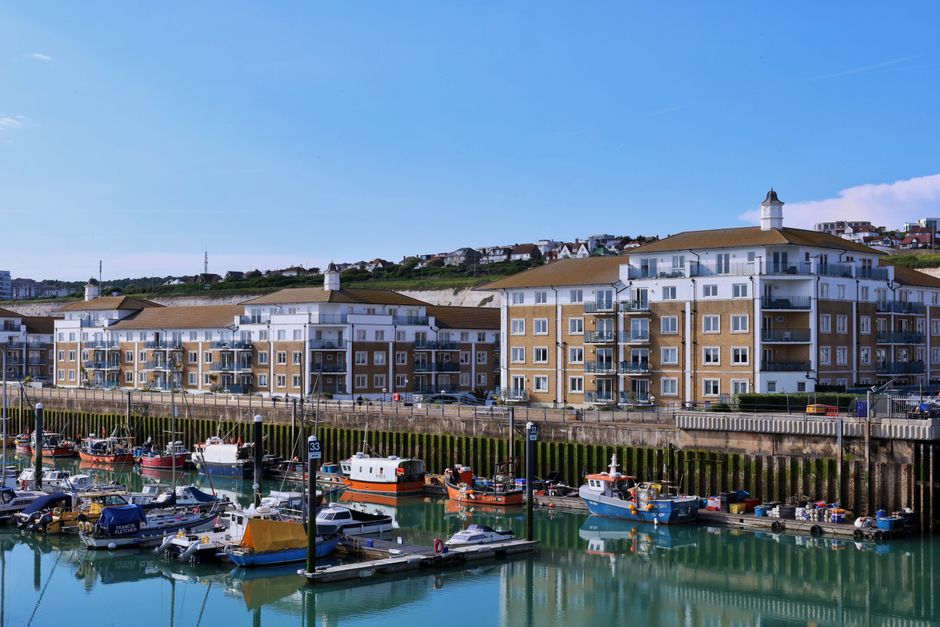
Thanet Council Permits for Botany Bay Removals: What You Need to Know Before Moving Day
If you are planning a move in Botany Bay, the permit side of things can matter just as much as the boxes, the van, and the furniture blankets. Thanet Council Permits for Botany Bay Removals are often the behind-the-scenes detail that keeps a move running smoothly, especially when access is tight, parking is awkward, or the property sits on one of those lovely but slightly unforgiving coastal roads. Miss the permit issue, and a straightforward move can become a stressful, expensive faff.
This guide explains how local permits usually fit into Botany Bay removals, why they matter, who needs to think about them, and how to avoid the common mistakes that catch people out. You will also find practical tips, a checklist, a comparison table, and a realistic example from a typical moving-day scenario. Nothing fluffy. Just the useful stuff.
Why Thanet Council Permits for Botany Bay Removals Matters
Botany Bay is one of those places where the scenery can lull you into thinking the move will be simple. Then you get to the access. Narrow roads, limited stopping space, coastal traffic, awkward bends, and the usual "just one quick loading stop" that never feels quite as quick as planned. That is where permit planning becomes more than a box-ticking exercise.
In practical terms, a permit or parking arrangement is about making sure the removal van can stop legally, safely, and close enough to the property to load without chaos. If the van ends up circling the area or parking too far away, you lose time and add physical strain. And yes, the removal team feels that too. Nobody enjoys carrying a wardrobe down a slope in a stiff sea breeze while worrying about a ticket.
For many moves, the key issue is not the council itself but the local parking conditions it regulates. That might include loading bays, controlled parking zones, waiting restrictions, suspensions, or temporary access arrangements. The exact rule depends on the street and the kind of vehicle involved. So the smart move is to plan early and treat permits as part of the move, not an afterthought.
Expert summary: In Botany Bay, the best moves are usually the ones that are planned around access first and boxes second. If the van cannot park where it needs to, everything else gets harder.
For more on the practical side of tricky access, it can help to read about staircases and parking issues during Botany Bay moves and the guide to narrow streets and beach-area parking tips.
How Thanet Council Permits for Botany Bay Removals Works
Let's keep this plain-English. For a removal in a constrained area, the moving team may need permission to park, stop, or temporarily occupy part of a road space. In some cases, the property owner arranges this. In other cases, the removal company helps advise what is needed, or the customer checks the local requirements and books the appropriate arrangement in advance.
Not every move needs a formal permit. Some streets have enough space. Some properties have driveways. Some moves are small enough that the van can load from private land without any issue. But when the public road is the only option, you need to think about legality and practicality together.
There are usually a few moving parts:
- Parking restrictions: whether the van can stop in the intended location.
- Vehicle size: larger removal vans are more likely to trigger access problems.
- Loading duration: a quick drop-off is different from a full house move.
- Street layout: narrow turns and coastal roads can limit where a van can safely wait.
- Timing: weekdays, weekends, and busy seasonal periods can all affect availability.
In practice, this means the permit question should be asked early in the booking conversation. Not on the morning of the move. Not the day before, when everyone is already in that slightly frazzled, tea-and-cardboard state. Early.
If the move involves a full van or a tight building access point, you may also want to review the company's wider service approach through its services overview and related local moving options such as removals in Botany Bay.
Key Benefits and Practical Advantages
When people hear "permit", they often think only about compliance. Fair enough. But the real benefit is smoother movement, less waiting around, and fewer surprises. A permit or proper parking arrangement can save time, protect your furniture, and reduce the stress on everybody involved.
Here are the main advantages:
- Better access to the front door: shorter carrying distances mean less risk of damage.
- Less delay: no circling for spaces or moving the van halfway through loading.
- Lower risk of fines: nobody wants a move-day penalty added to the bill.
- Smoother crew workflow: the team can focus on loading, not parking drama.
- Less physical strain: especially useful for bulky items, stairs, or fragile furniture.
There is also a subtle but important human benefit: everyone stays calmer. You notice it quickly on move day. Once the van is in the right spot, shoulders relax a bit. The job feels manageable again.
That matters even more for awkward items. If you are moving a piano, a mattress, or a heavy wardrobe, the value of good access becomes obvious fast. For delicate and specialist items, you may find it useful to read about piano removals in Botany Bay and the guidance on professional piano movers.
Who This Is For and When It Makes Sense
Not every resident in Botany Bay will need to think hard about permits. But if your move includes any of the following, it becomes much more relevant:
- parking on a public road rather than private drive;
- large removal vans or multiple vehicles;
- limited access near the property;
- shared access roads or apartment blocks;
- busy summer periods when roadside parking fills up quickly;
- heavy, awkward, or fragile furniture that benefits from shorter carry distances.
It also matters for commercial moves and student moves. Office relocations often need clear loading access to keep downtime low, while student moves can be small but time-sensitive. A small flat clearance can still become awkward if the only stopping place is a few houses away.
If that sounds like your situation, it may help to compare options such as flat removals, house removals, and office removals, because each one creates a slightly different parking and loading picture.
Truth be told, permit planning is most valuable when the move is ordinary but the access is not. That is the tricky bit. The move can look simple on paper and still fall apart because of parking.
Step-by-Step Guidance
Here is a practical way to handle permits without overcomplicating it.
- Check your property access early. Look at whether the van can stop directly outside, whether a driveway exists, and whether there are any obvious restrictions on the street.
- Measure the likely loading zone. Even a rough idea of the space helps. It does not need to be engineer-level precise, just sensible.
- Ask about vehicle size. The difference between a small van and a full removal vehicle can completely change parking needs.
- Decide who will handle the permit side. Sometimes the customer arranges it. Sometimes the moving company advises or coordinates based on the booking details.
- Book well in advance. Coastal areas can get busy, and last-minute arrangements are where problems start.
- Share the details clearly. Give the removal team the address, access notes, and any restrictions you know about.
- Prepare alternatives. If the ideal spot is not possible, identify a second-best loading area before move day.
- Reconfirm shortly before the move. Plans change. Spaces fill. Weather moves in. A quick check can save a headache.
A small but very real point: keep the moving team updated if there is a narrow lane, resident-only zone, or a school-run bottleneck nearby. That bit of local knowledge can make a bigger difference than you might expect.
For the packing side of the move, a good guide is the art of packing for a smoother transition. And if you are packing fragile items or seasonal appliances, the piece on proper freezer storage methods can save you from avoidable damage.
Expert Tips for Better Results
After enough moves, a pattern starts to emerge: the people who give the best access information early tend to have the least stressful move day. It is a simple thing, but very effective.
- Send photographs of the access point. A quick phone picture of the street, driveway, or entrance can be more useful than a long description.
- Think in terms of carry distance. A permit is often worth it if it cuts the carrying route dramatically.
- Plan for weather. A wet, windy morning at Botany Bay changes how safely furniture can be moved. Surfaces get slippery, and time slips away too.
- Protect corners and doorframes. Permits help with access, but they do not prevent accidental knocks. Use proper wrapping and blankets.
- Prioritise the awkward items. If you have a sofa, bed, or piano, get them ready first so they are not waiting while parking issues drag on.
If you are moving bulky furniture, it is worth reading the practical advice on furniture removals in Botany Bay and the guide to sofa storage and safekeeping. Those details often become relevant when the van needs to load quickly and efficiently.
And if your move is turning into a same-day scramble? That happens. The article on same-day removals in Botany Bay is useful for understanding the pressure points that appear when time is tight.
Common Mistakes to Avoid
Most permit-related problems are not dramatic. They are just annoying, preventable things that pile up. A few are particularly common.
- Leaving it too late: if you only think about parking the night before, options narrow fast.
- Assuming the road is "fine for a minute": restrictions are restrictions, even for short stops.
- Forgetting about neighbours or shared access: someone else may need that space.
- Not accounting for the size of the van: a loading space that suits a car may not suit a removal vehicle.
- Failing to mention stairs or long carry distances: the permit is only one part of the access picture.
- Ignoring seasonal traffic: Botany Bay can feel very different in a quiet week compared with a busier coastal day.
Another mistake, and this one is sneaky, is overlooking the knock-on costs of poor access. Extra labour time, slower loading, or parking fines can all add up. For a more detailed look at that side of things, see unexpected fees in Botany Bay removals.
One more thing: if you are decluttering or selling items before the move, do that before the access plan is finalised. Fewer items means less loading time and less pressure on the permit window. A simple but powerful win. The guide on decluttering for a hassle-free move is worth a look here.
Tools, Resources and Recommendations
You do not need a big toolkit for permit planning, but a few simple resources make life easier.
- Phone camera: use it to capture parking signs, access points, and any restrictions.
- Notes app: keep a moving-day checklist and any access instructions in one place.
- Printed property notes: handy if several people are helping and not everyone is checking messages.
- Removal boxes and labels: the less time spent hunting for essentials, the sooner the move can proceed.
- Protective wrapping: useful for furniture, mirrors, and fragile items when loading is close but still a bit tight.
For packing supplies, the dedicated packing and boxes page is a sensible place to start. If you need temporary overflow space because access or timing is awkward, storage in Botany Bay can make the move less rushed.
And if you want a calmer overall experience, the article on moving without the stress offers a good mindset alongside the practical steps. Moving is never exactly serene, let's face it, but it can be manageable.
Law, Compliance, Standards, or Best Practice
When the move uses public roads or controlled parking areas, compliance matters. The exact rules depend on the street, the local parking controls, and the type of vehicle involved. Because of that, it is best to treat permit planning as a practical requirement rather than an optional extra.
UK moving best practice usually comes down to a few straightforward principles:
- do not block traffic or pedestrian routes;
- do not assume loading automatically overrides restrictions;
- make sure the van is parked legally for the intended duration;
- plan for safe manual handling, especially with heavy items;
- keep communication clear between the customer and the moving team.
That last point matters more than people think. If a permit is needed, both sides should know who is arranging what, by when, and what the fallback plan is if the preferred space is unavailable. Clear roles prevent awkward last-minute confusion.
Where safety is concerned, sensible lifting and carrying practice should always be part of the plan. For a deeper look at handling heavier items carefully, the article on solo heavy object lifting is a useful reminder of why teamwork and planning beat heroics every time.
And yes, trying to move a heavy bed frame alone because "it will only take a second" is the kind of decision that seems brave until your back disagrees. Best avoided.
Options, Methods, or Comparison Table
Not every Botany Bay move needs the same approach. The best method depends on access, vehicle size, timing, and the amount of furniture involved. Here is a simple comparison to help you think it through.
| Method | Best for | Pros | Potential drawback |
|---|---|---|---|
| Private driveway loading | Homes with direct off-road access | Easier, faster, fewer parking issues | Not available for many Botany Bay properties |
| Roadside loading with permit or permission | Street-based moves with limited stopping space | Close access, better control, less carrying distance | Requires advance planning and coordination |
| Remote parking and longer carry | Short moves with light loads | Often simple to organise | More labour, slower loading, greater fatigue |
| Split move or storage-first approach | Busy properties or staged relocations | Reduces pressure on move day | Can take more time and may need extra handling |
For some households, the split move route is surprisingly practical. You move the essentials first, place larger items into storage, then complete the rest when access is easier or timing improves. If that sounds sensible for your situation, take a look at storage options in Botany Bay.
Case Study or Real-World Example
Picture a typical Botany Bay house move on a breezy weekday morning. The property sits on a road with limited parking, and the new owners are arriving later the same day. The customer thinks the van can just stop outside for twenty minutes. In reality, there are already cars along the street, a narrow passing point, and a slight bend that makes loading awkward.
Instead of leaving it to chance, the team checks the access in advance, identifies the best stopping position, and confirms whether any permit or parking arrangement is needed for the loading window. The customer also clears the hallway the night before and labels the heavy items first. Simple things, but they save time.
On the day, the van arrives close to the property, the crew loads the biggest furniture without unnecessary shuttling, and the move finishes before the weather turns. No one is racing the clock. No one is arguing about where the van can stand. A pretty ordinary move, really. Which is exactly what you want.
That kind of planning also helps if you are moving from a smaller property or student accommodation. The logistics can be different, but the principle is the same. Good access equals a better moving day. If that is your situation, it is worth comparing student removals in Botany Bay with more general moving support.
Practical Checklist
Use this checklist before move day if you suspect a permit or parking arrangement may be needed.
- Confirm the move date and arrival window.
- Check whether the van can park on private land.
- Look for nearby restrictions, bay markings, or loading limitations.
- Take photos of the access point and street view.
- Tell the moving company about any narrow roads or awkward turns.
- Identify who is arranging the permit or parking approval.
- Keep contact details handy on move day.
- Prepare a backup loading spot if the first option is unavailable.
- Move fragile or essential items separately if access is likely to be delayed.
- Recheck weather, traffic, and any last-minute timing changes.
Quick take: If the van can park close, safely, and legally, everything else gets easier. If not, you need a plan B. Preferably before the kettle is packed.
For readers comparing removal services, you may also find these pages helpful: man with a van in Botany Bay, man and van services, and local removal companies.
Get a free quote today and see how much you can save.
Conclusion
Thanet Council Permits for Botany Bay Removals are really about one thing: making the moving process safer, easier, and more predictable. If you have good access, you may not need much in the way of formal parking planning. But if the van must use a public road, or the street is tight, the permit question becomes a core part of the move rather than a background detail.
The best approach is simple: check early, communicate clearly, and build the permit or parking plan into the move from the start. That way, you protect your furniture, reduce stress, and avoid the kind of day that starts with a parking ticket and ends with everyone exhausted.
Botany Bay moves do not have to be complicated. They just need a bit of thought, a bit of local awareness, and the willingness to prepare for the bits nobody likes talking about. The parking stuff, basically. Once that is sorted, the rest feels far more human and far less frantic.
Frequently Asked Questions
Do all Botany Bay removals need a Thanet Council permit?
No, not all of them. If you have private driveway access or a parking space that can legally and safely accommodate the van, a permit may not be needed. The issue becomes important when the vehicle has to stop on a public road with restrictions or limited space.
Who is usually responsible for arranging the permit?
That depends on the setup. In some moves, the customer arranges it. In others, the removal company advises on the process or coordinates the parking plan as part of the booking. The key thing is to agree this early so nobody is left guessing on the day.
How early should I check whether a permit is needed?
As early as possible. Ideally, this should be one of the first questions you ask once you have a moving date. Last-minute checks can limit your options and make it harder to secure a workable loading arrangement.
What happens if the van cannot park near my property?
The crew may need to park further away and carry items longer distances. That can slow the move down and make heavier items more difficult to handle. In some cases, it may also increase the overall cost if extra time or labour is required.
Are Botany Bay roads especially difficult for removals?
Some can be. Coastal roads, narrow lanes, and seasonal traffic all create access challenges in certain parts of Botany Bay. The difficulty depends on the exact street and time of day, so a quick access check is always wise.
Can I use a loading bay instead of a permit?
Sometimes, yes, if the bay is suitable and available for the time needed. But loading bays still come with rules, and they are not a free pass. You should never assume that a van can stop there without checking the restrictions.
Will a permit make my move faster?
Usually, yes. Better access means shorter carry distances and less time spent repositioning the vehicle. It does not guarantee a perfect moving day, but it removes one of the biggest sources of delay.
What should I tell the removal company about parking?
Give them as much practical detail as you can: narrow roads, turning space, driveway access, nearby restrictions, and any known peak-time traffic problems. Photos help too. A clear picture can prevent avoidable mistakes.
Is permit planning worth it for a small move?
Yes, if access is tight. Even a small move can become awkward if the van has to park far away or if the road is restricted. Size alone does not decide the issue; access does.
What if I am moving at short notice?
Short-notice moves need extra attention. The best thing is to speak quickly, confirm the access situation, and check whether a fallback parking plan is possible. For urgent jobs, the article on urgent same-day removals in Botany Bay is a useful read.
Do I need to worry about fines if the van parks incorrectly?
Yes. Incorrect parking can create fines, delays, or disputes on move day. Even if the team is only there briefly, restrictions still apply. That is why a proper plan matters so much.
What is the simplest way to make permit planning easier?
Be proactive. Share photos, explain the access clearly, and confirm the parking arrangement before the move. If you want the least stressful route, combine that with good packing, clear labelling, and a realistic loading plan.
Where can I get more help planning the moving day?
Start with the wider moving guides on packing, access, storage, and specialist item handling. A few smart decisions early can save a surprising amount of stress later, and that is usually the difference between a long day and a manageable one.