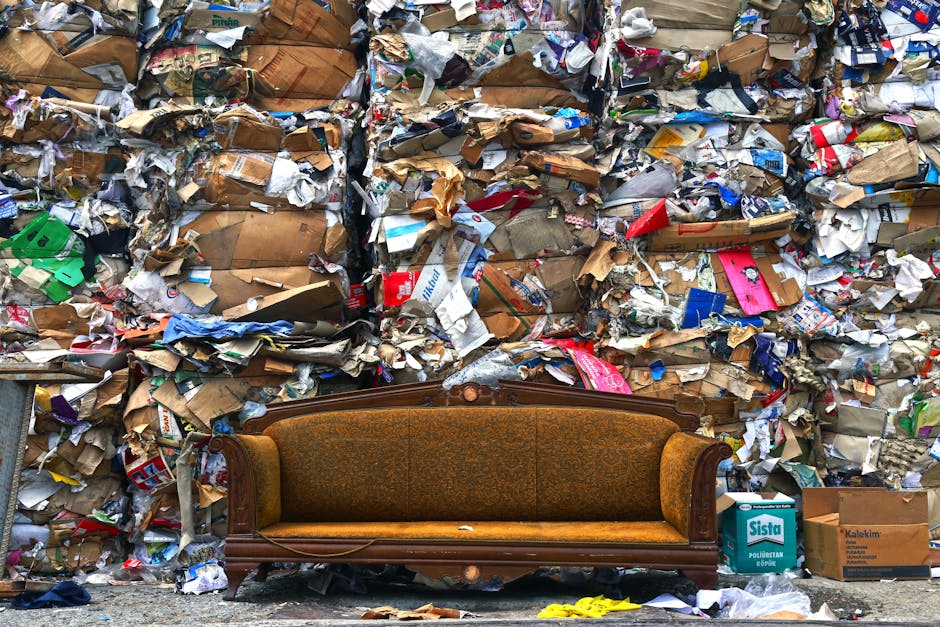
Bulky Furniture Disposal Options for Botany Bay Homes: Safe, Practical Ways to Clear Space Without the Stress
If you are staring at an old sofa, a stubborn wardrobe, or a bed frame that seems to have grown roots in the hallway, you are not alone. Bulky furniture disposal options for Botany Bay homes can feel oddly complicated: the item is too large for a normal bin, too awkward to move alone, and sometimes too good to simply throw away. The good news? There are sensible ways to handle it that save time, reduce risk, and often keep perfectly usable furniture in circulation.
In this guide, we will walk through the most practical disposal routes, when each one makes sense, how to prepare furniture for collection or removal, and what to avoid if you want the job done cleanly. You will also find a checklist, a comparison table, and a few local, real-world pointers that make the whole thing much less of a headache. Because let's face it, nobody wants to spend a weekend wrestling a three-seater down a narrow stairwell.
Why Bulky Furniture Disposal Options for Botany Bay Homes Matters
Large furniture is one of those household problems that looks simple until you actually start moving it. A sofa can block a landing. A wardrobe can chip walls. A broken dining table can fill a hallway with splinters, screws, and regret. In Botany Bay homes, where layouts may include tight entrances, stairs, compact flats, or limited on-street space, bulky items can become a real logistical issue.
Choosing the right disposal route matters for three main reasons. First, safety: heavy lifting without planning is where most minor injuries happen. Second, time: one wrong attempt can turn a tidy afternoon job into a two-day ordeal. Third, responsibility: furniture should be handled in a way that is consistent with proper waste disposal, reuse, or recycling practices rather than just dumped at the first available corner.
There is also a financial angle. People often assume the cheapest option is to take everything apart and do it themselves. Sometimes that works. Sometimes it ends with a damaged wall, a strained back, and a van hire that was not quite large enough. A better option is to compare your choices properly before you move anything at all.
Expert summary: the smartest bulky furniture disposal plan is usually the one that matches the item's condition, size, weight, and urgency. Reuse if it is still usable. Recycle where possible. Use a managed removal service when access, lifting, or timing becomes awkward.
How Bulky Furniture Disposal Options for Botany Bay Homes Works
At a practical level, bulky furniture disposal usually follows one of five routes: reuse, donation, resale, recycling, or professional removal. The right path depends on what the item is, how quickly you need it gone, and whether it can be dismantled safely.
Here is the basic logic behind each route:
- Reuse: the item is still in decent condition and can be used by another household.
- Donation: the item is serviceable, clean, and suitable for a charity shop, community group, or similar donation channel.
- Resale: the item has market value, even if it is no longer needed by you.
- Recycling: the item is damaged or worn but contains materials that can be separated and processed.
- Professional removal: the item is too large, too heavy, too awkward, or too urgent for a DIY solution.
A lot of people get stuck because they try to force one method on every item. Truth be told, that is rarely the best approach. A leather sofa might be suitable for resale, while a water-damaged wardrobe may be best broken down for disposal or recycling. The job becomes easier once you stop treating all bulky furniture as the same problem.
If you are already planning a move, it can also make sense to combine disposal with other moving tasks. For example, some households pair clear-out work with decluttering advice for a hassle-free move or use a planned moving service such as removals in Botany Bay to simplify the whole process. That saves a second round of heavy lifting later on. Nobody misses that part.
Key Benefits and Practical Advantages
The main benefit of sorting bulky furniture properly is that it reduces stress. That sounds obvious, but it matters. When furniture is dealt with in a planned way, you avoid last-minute panic, blocked rooms, and the classic "we'll just move it tomorrow" cycle that can drag on for weeks.
Other advantages include:
- Cleaner space planning: removing a large item early helps you see the room properly.
- Safer access routes: staircases, doors, and hallways stay clearer.
- Reduced damage risk: less chance of dents, scuffs, or torn flooring.
- Better recycling outcomes: usable materials can be separated and processed more effectively.
- Less physical strain: heavy lifting is kept to a minimum.
There is a subtle emotional benefit too. A room can feel oddly "stuck" when a bulky item is taking up space you no longer need. Remove the item, and the room suddenly breathes again. You notice the light differently. The floor seems larger. Small thing, but it changes how a home feels.
For households with planned furniture changes, useful support pages such as furniture removals in Botany Bay and recycling and sustainability can help connect disposal decisions with a wider moving or clear-out plan.
Who This Is For and When It Makes Sense
Bulky furniture disposal is relevant to far more people than you might think. It is not just for those doing a full house clearance. In Botany Bay, it often comes up during a move, a renovation, a tenancy change, or even after one awkward delivery where a new item simply does not suit the room.
This topic makes particular sense for:
- homeowners replacing old sofas, beds, wardrobes, or tables
- tenants clearing rooms before moving out
- landlords preparing a property for re-letting
- students leaving furnished accommodation and needing quick turnaround support, as discussed on student removals in Botany Bay
- families downsizing and reducing room clutter
- people handling a sudden clear-out after appliance or furniture damage
It also makes sense when access is awkward. A bulky item in a ground-floor house is one thing. The same item in a top-floor flat with a tight stairwell, a bend in the landing, and no lift? That is a very different story, and the sort of situation where flat removals in Botany Bay becomes especially relevant.
If you are dealing with a larger home clear-out, it may help to look at house removals in Botany Bay or broader removal services so the disposal work is handled alongside the rest of the move rather than becoming an extra job at the end.
Step-by-Step Guidance
A practical disposal plan does not need to be complicated. It just needs to be orderly. If you rush, furniture becomes harder to move, harder to sort, and more likely to cause problems.
- Identify the item and its condition. Ask whether it is usable, repairable, or only suitable for disposal.
- Check size and access. Measure doors, stairs, corridors, and any awkward bends. It sounds tedious. It is not. It saves time.
- Decide whether to keep, donate, sell, recycle, or remove. Be honest. If an item has lived through three moves and a spilled cup of tea, it may be ready for retirement.
- Remove loose parts. Cushions, shelves, drawers, and detachable legs should come off where safe to do so.
- Protect surrounding surfaces. Use blankets, cardboard, or covers to reduce scuffs on floors and walls.
- Arrange the disposal method. This may mean collection, removal support, or a scheduled clearance.
- Prepare the item for pickup. Place it where movers can access it safely, ideally with a clear route to the exit.
- Complete final checks. Look for small fixings, glass panels, or hidden items before it leaves the property.
For heavier or more awkward pieces, the lifting stage should never be improvised. If an item needs team handling, proper lifting technique, or specialised handling, it is better to read guidance on lifting heavy objects safely and use the right approach from the start.
For time-sensitive clear-outs, a same-day option can be useful. See same-day removals in Botany Bay and the related article on what to expect from urgent same-day removals if your timeline is tight.
Expert Tips for Better Results
There are a few habits that make bulky furniture disposal much smoother. None of them are glamorous, but they work. That counts for a lot.
Choose the right order
Start with the biggest item only if it blocks access. Otherwise, remove the smaller clutter first. You will create working space and reduce the chance of tripping over loose pieces.
Break items down where safe
Flat-pack furniture, bed frames, shelving units, and some wardrobes can often be dismantled. Just keep the fixings in a labelled bag. Otherwise, you will find one lonely screw six months later and wonder what it belonged to.
Do not underestimate fabric items
Sofas and armchairs look softer than wardrobes, but they can be just as awkward, especially on stairs. For storage and handling tips, the guide on sofa storage and safekeeping is a useful companion read.
Think about cleaning before removal
If furniture is going out of the house, a quick wipe-down or vacuum can make donation or resale more realistic. It also helps when the item is being carried through shared spaces. A clean item is simply easier to pass on. There's no mystery there.
Use the disposal moment to declutter properly
One bulky item often leads to another. Once you remove the sofa, you may notice the old side table no longer makes sense. That is a good thing. A removal is often the best time to rethink the room layout. If you want to go a bit further, packing tips for a graceful move can help if the disposal is part of a wider home transition.
Check whether storage is a better temporary answer
Sometimes the item is not ready for disposal; it is simply in the way during decorating, renovation, or a temporary move. In those cases, storage in Botany Bay may be the smarter short-term solution.
Common Mistakes to Avoid
Most bulky furniture disposal problems are preventable. The mistake is usually not the furniture itself. It is the planning, or lack of it.
- Assuming one person can do everything alone. Some items are simply too awkward, even if they are not exceptionally heavy.
- Forgetting access constraints. A wide sofa may fit in the room but not through the turning point on the stairs.
- Leaving disposal until moving day. That is where stress multiplies.
- Mixing sharp parts with soft items. Broken frames, exposed screws, and loose glass need separate handling.
- Choosing the wrong disposal route. A usable item should not be treated as waste if it can be reused safely.
- Not checking safety and insurance cover. If you are hiring help, make sure you understand the provider's approach to protection and liability. Pages like insurance and safety and health and safety policy are worth reviewing.
One more thing: do not underestimate emotional attachment. People keep furniture far longer than they mean to because it carries memories. That is normal. But if it is no longer useful, the kindest thing may be to let it go properly.
Tools, Resources and Recommendations
You do not need a warehouse full of equipment to dispose of bulky furniture, but a few practical tools make the process much easier.
| Tool or Resource | What It Helps With | Best Use Case |
|---|---|---|
| Measuring tape | Doorways, corridors, furniture dimensions | Before moving or dismantling |
| Protective blankets | Walls, floors, corners, polished surfaces | Any heavy furniture removal |
| Strong gloves | Grip and hand protection | Rough edges, splinters, screws |
| Labelled bags | Fixings, bolts, small parts | Dismantled beds, wardrobes, shelves |
| Tape or straps | Securing loose doors and drawers | Transport and staging |
| Removal support | Lifting, loading, transport | Large, heavy, awkward, or urgent items |
It can also be helpful to read support content around the wider moving process. For instance, this bed and mattress moving checklist is useful if you are clearing sleeping furniture, while advice on moving without the stress is handy when the whole house is being reorganised.
And if your plan involves more than furniture disposal, the broader pages on services overview, man with a van in Botany Bay, man and van services, and removal van support can help you match the right vehicle and level of assistance to the job.
Law, Compliance, Standards, or Best Practice
Furniture disposal in the UK should be handled responsibly. You do not need to memorise every detail of waste law to make a good decision, but you should understand the basic principle: furniture should be passed on, recycled, or disposed of through appropriate channels, not abandoned or fly-tipped.
Good practice usually means:
- ensuring items are not left where they create a hazard
- separating reusable pieces from damaged waste
- avoiding unsafe lifting or moving methods
- choosing providers who are clear about how items are handled
- keeping access routes safe for residents, neighbours, and visitors
If you are comparing providers, it is wise to review public-facing pages that show how the business handles payments, terms, complaints, and accessibility. On this site, useful reference points include payment and security, terms and conditions, complaints procedure, and accessibility statement.
For customers who care about disposal ethics, the sustainability angle matters too. A provider that thinks carefully about reuse and recycling is usually the better long-term choice, even if the up-front option looks slightly less quick.
Options, Methods, or Comparison Table
Here is a simple comparison of the most common bulky furniture disposal routes. It is not about one being universally best. It is about fitting the method to the item and the situation.
| Method | Best For | Pros | Watch Outs |
|---|---|---|---|
| Reuse | Usable items in fair condition | Fast, practical, environmentally sensible | Requires the item to be presentable and safe |
| Donation | Clean, serviceable furniture | Helps others and reduces waste | Acceptance depends on condition and collection rules |
| Resale | Desirable, well-kept pieces | May recover some value | Takes time, photos, messaging, and coordination |
| Recycling | Damaged or worn furniture | Reduces landfill burden | May require dismantling or separation of parts |
| Professional removal | Heavy, awkward, urgent, or multiple items | Safer, faster, less physical effort | May cost more than DIY, depending on scope |
For many Botany Bay households, the best answer is a blend of methods. For example, sell the dining set, donate the spare chair, recycle the broken chest of drawers, and arrange a removal service for the sofa that will not fit through the doorway without careful handling. That mixed approach is often the most realistic one.
Case Study or Real-World Example
Picture a typical Botany Bay flat clearance on a damp Tuesday morning. The living room has a large two-seat sofa, a heavy TV unit, an old mattress, and a wardrobe that has already been partially dismantled. The resident is moving out by the weekend, the hallway is narrow, and the lift is not behaving itself. Classic.
The first step is not lifting. It is sorting. The mattress is no longer needed and is not worth storing. The sofa is structurally fine but a bit faded, so it might be considered for reuse or removal rather than immediate disposal. The wardrobe is in parts, so the fixings are gathered into a labelled bag. The TV unit is checked for loose glass and the route to the door is cleared.
Once the items are staged near the exit, the team can move in an organised way. Protective covers go down. Corners are watched carefully. The removal itself is quicker because no one is improvising around shoes, laundry baskets, or forgotten boxes. The resident ends up with a clear room and less stress. Not dramatic. Just efficient. Which, in moving terms, is a pretty good result.
If the same household had a piano instead of a TV unit, the whole approach would need to be more specialised. That is where professional piano removals in Botany Bay and the article on why expert piano movers matter become relevant. Some items simply deserve specialist handling.
Practical Checklist
Use this checklist before arranging bulky furniture disposal. It helps keep the process calm and a lot less chaotic.
- Identify every item to be removed.
- Check whether each item can be reused, donated, sold, recycled, or needs disposal.
- Measure furniture and access points.
- Clear hallways, landings, and stairwells.
- Remove cushions, drawers, shelves, or loose parts.
- Bag and label fixings, screws, and fittings.
- Protect floors, walls, and corners.
- Confirm whether you need one person, two people, or a professional team.
- Decide on timing: same day, scheduled, or tied to a moving date.
- Check relevant safety, terms, and payment information before booking.
- Arrange any storage if the item is not leaving the property permanently.
- Do a final sweep for hidden objects, cables, or glass panels.
If the furniture is part of a larger pre-move clear-out, it can also be helpful to combine this checklist with house cleaning before the move so the property is left neat, presentable, and ready for the next stage.
Conclusion
Bulky furniture disposal does not have to be a messy, back-breaking problem. With a bit of planning, you can choose the right route for each item, protect your home from damage, and keep the process moving without that horrible last-minute scramble. For Botany Bay homes, where access and timing can matter just as much as the item itself, making the right disposal choice early is usually the difference between a smooth job and a stressful one.
Whether you are clearing a single sofa, emptying a flat, or preparing for a larger move, the key is to be practical. Reuse where possible. Recycle where appropriate. Bring in help when lifting or access becomes awkward. That is the sensible path, and honestly, the least painful one too.
If you are planning a bigger clear-out or move, it can help to compare options, ask questions, and choose a service that fits the way you live. A little structure now can save a lot of effort later, and your home will feel better for it.
Get a free quote today and see how much you can save.
Frequently Asked Questions
What are the best bulky furniture disposal options for Botany Bay homes?
The best option depends on the item's condition. Usable pieces can often be reused, donated, or sold. Damaged items may be recycled or removed professionally. If access is difficult or time is short, a removal service is usually the most practical answer.
Can I dispose of a sofa, wardrobe, or bed myself?
Sometimes, yes, especially if the item is small enough to dismantle and you have help. But large sofas, wardrobes, and bed frames can become awkward very quickly. If there are stairs, tight corners, or a narrow hallway, professional help is usually safer.
Is it better to donate furniture or recycle it?
If the furniture is clean, functional, and safe, donation is often the better first step. If it is damaged, unstable, or no longer suitable for reuse, recycling or disposal is more appropriate. The condition of the item should guide the decision.
How do I know if furniture can be reused?
Look for structural soundness, clean surfaces, and working parts. A wobbly leg or missing handle may still be fixable, but major damage, mould, water damage, or broken frames usually make reuse less realistic.
What should I do before moving bulky furniture out of my home?
Measure doors and corridors, remove loose parts, clear the path, and protect floors and walls. It also helps to label fixings and plan where the item will be staged before removal. A calm prep stage makes the job much easier.
Do bulky furniture disposal services handle lifting and loading?
Yes, that is usually the main benefit. A good service should manage the lifting, loading, and transport in a controlled way. It is especially useful for heavy or awkward items that are hard to move safely on your own.
What if I need furniture removed urgently?
If you need the item gone quickly, same-day or urgent removal may be suitable. This is common before check-out dates, end-of-tenancy deadlines, or last-minute redecorating. The earlier you ask, the better.
Can I combine furniture disposal with a house move?
Absolutely, and in many cases that is the smartest option. Combining disposal with a house move reduces duplication, saves time, and keeps the property clearer throughout the process. It is a very common and sensible approach.
How can I avoid damaging my walls or flooring during disposal?
Use blankets, covers, and good lifting technique. Clear the route in advance and do not force large items through gaps that are clearly too tight. If the item is oversized for the space, dismantling or expert support is usually the safer choice.
Are there any safety risks with bulky furniture disposal?
Yes. The biggest risks are back strain, finger injuries, trips, and property damage. Heavy or unstable items can shift without warning, which is why it is important to use proper handling methods and not rush the process.
What is the most cost-effective way to get rid of large furniture?
The most cost-effective route depends on the item. If it can be sold or donated, that may reduce overall cost. If the item is large, hard to access, or needs two-person handling, booking a removal service may actually save money by preventing damage and wasted time.
Where can I find more help with moving-related preparation?
Helpful related guidance includes moving without the stress, decluttering for a hassle-free move, and packing and boxes in Botany Bay. Those pages are useful if furniture disposal is part of a bigger home transition.